My Woodland Abode
I still can’t quite believe that I ended up living in the woods for five years in a little mud hut without electricity, piped water, or a front door. From almost every civilised perspective, it was a strange and possibly deranged choice.
All I know is that part of me longed above all else to restore myself to close relationship with the living earth, and that I was willing to forego the comforts and conveniences of modern life in order to let that part of me have its way.
Below is a photo tour of the little hut I built and some brief descriptions of my way of life there, followed by some lyrical prose and poems from the wild edge I’m honoured to have called home for a while.
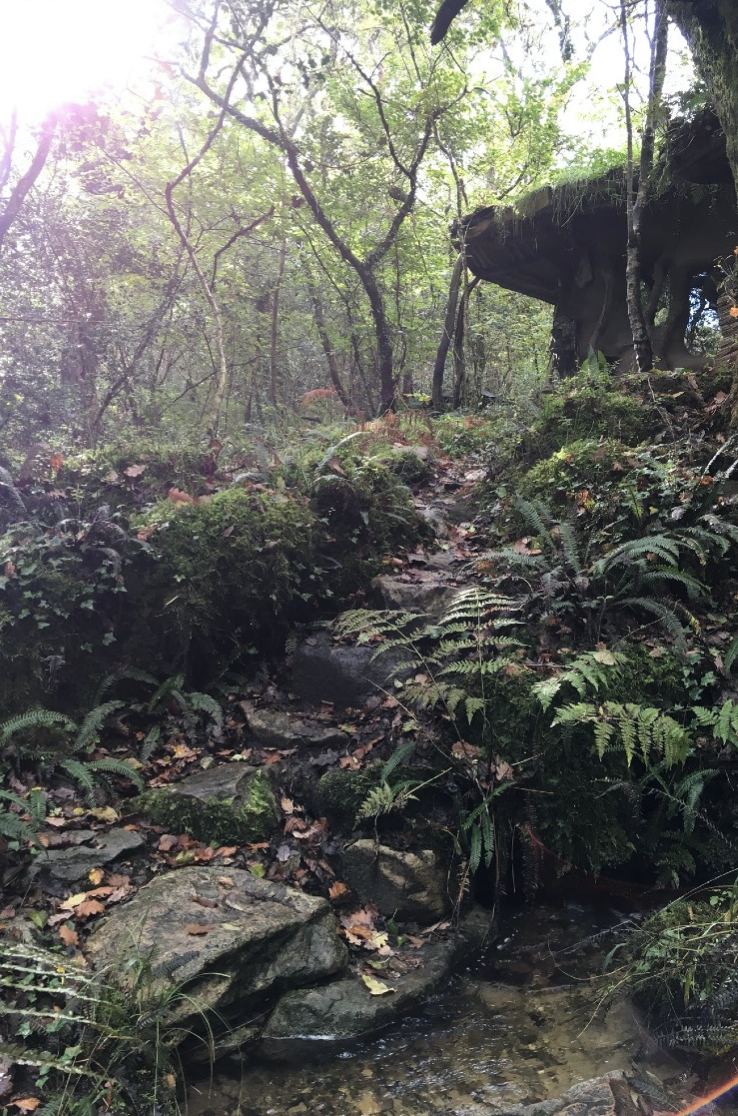
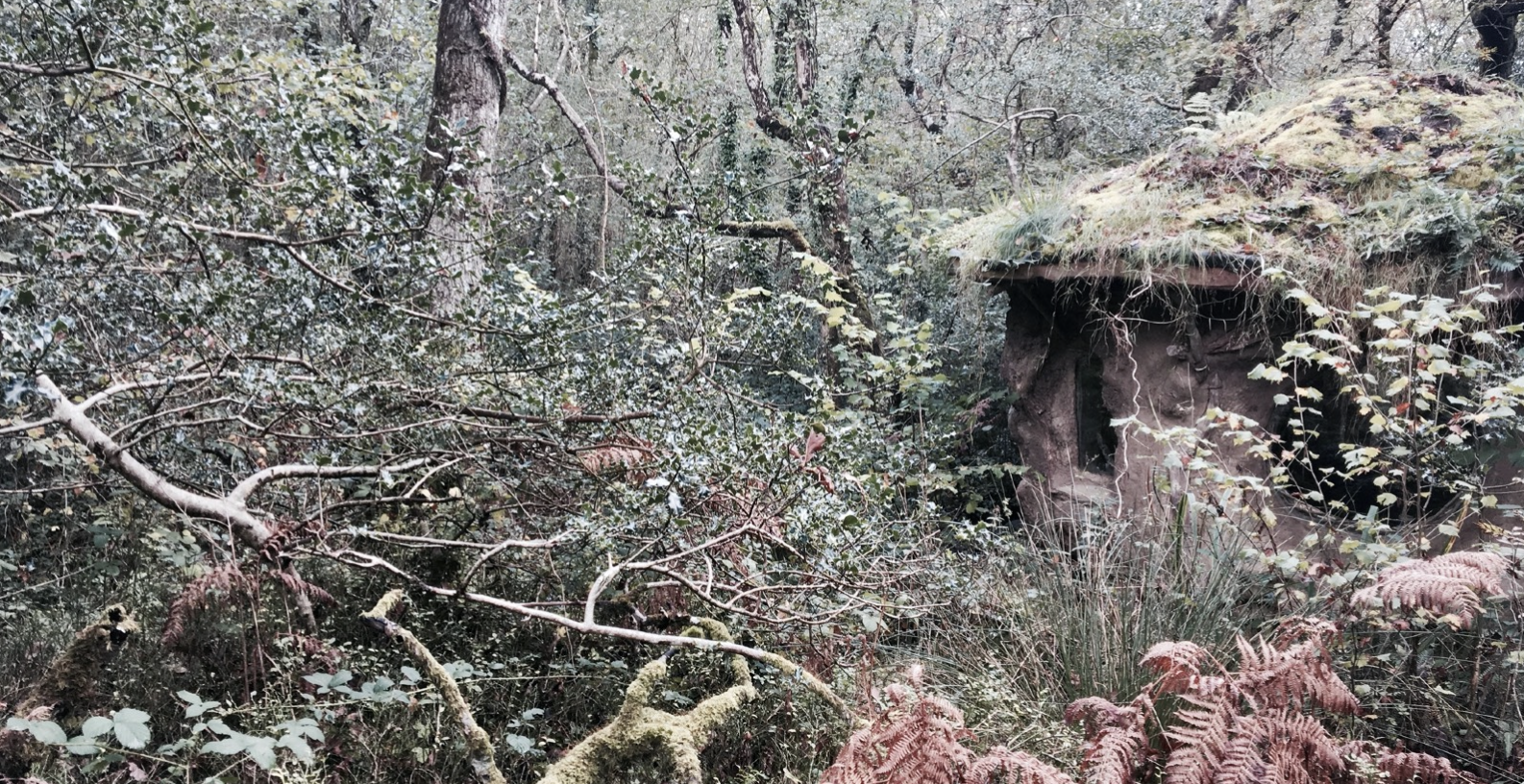
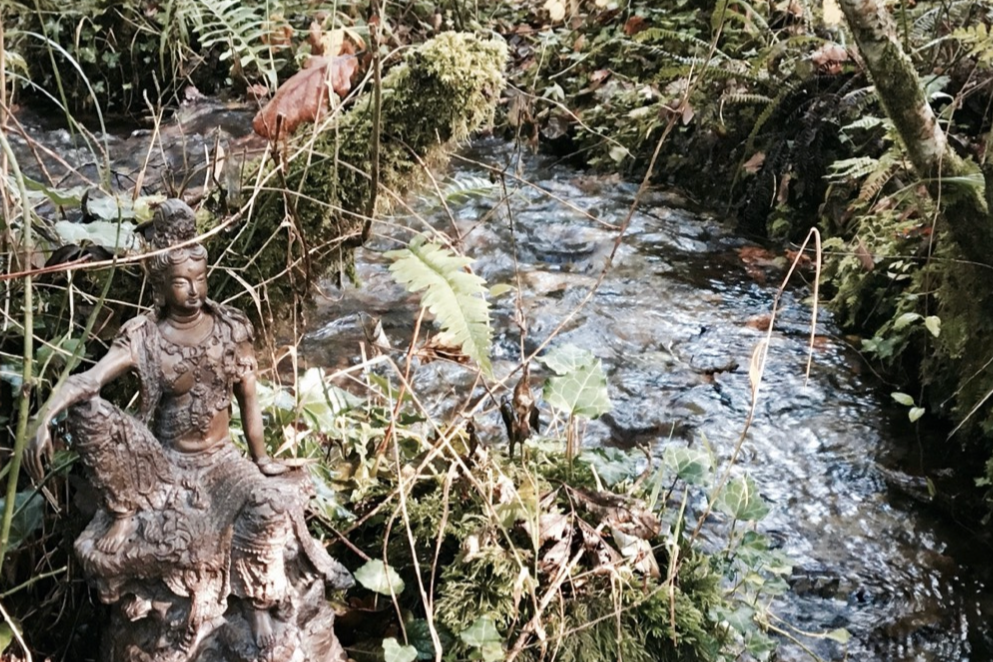
I built my little wild hut between two mossy streams, within a small natural clearing in a pocket of Welsh rainforest.
I made it by hand with simple tools and natural materials mostly gathered from the land around.
It was a place to live as gently as possible, in close contact with the elements, causing as little harm as I could to the earth and her creatures.
Building it and dwelling there, I wanted to learn to live in a way that prioritised adapting myself to the natural world, rather than the other way around.
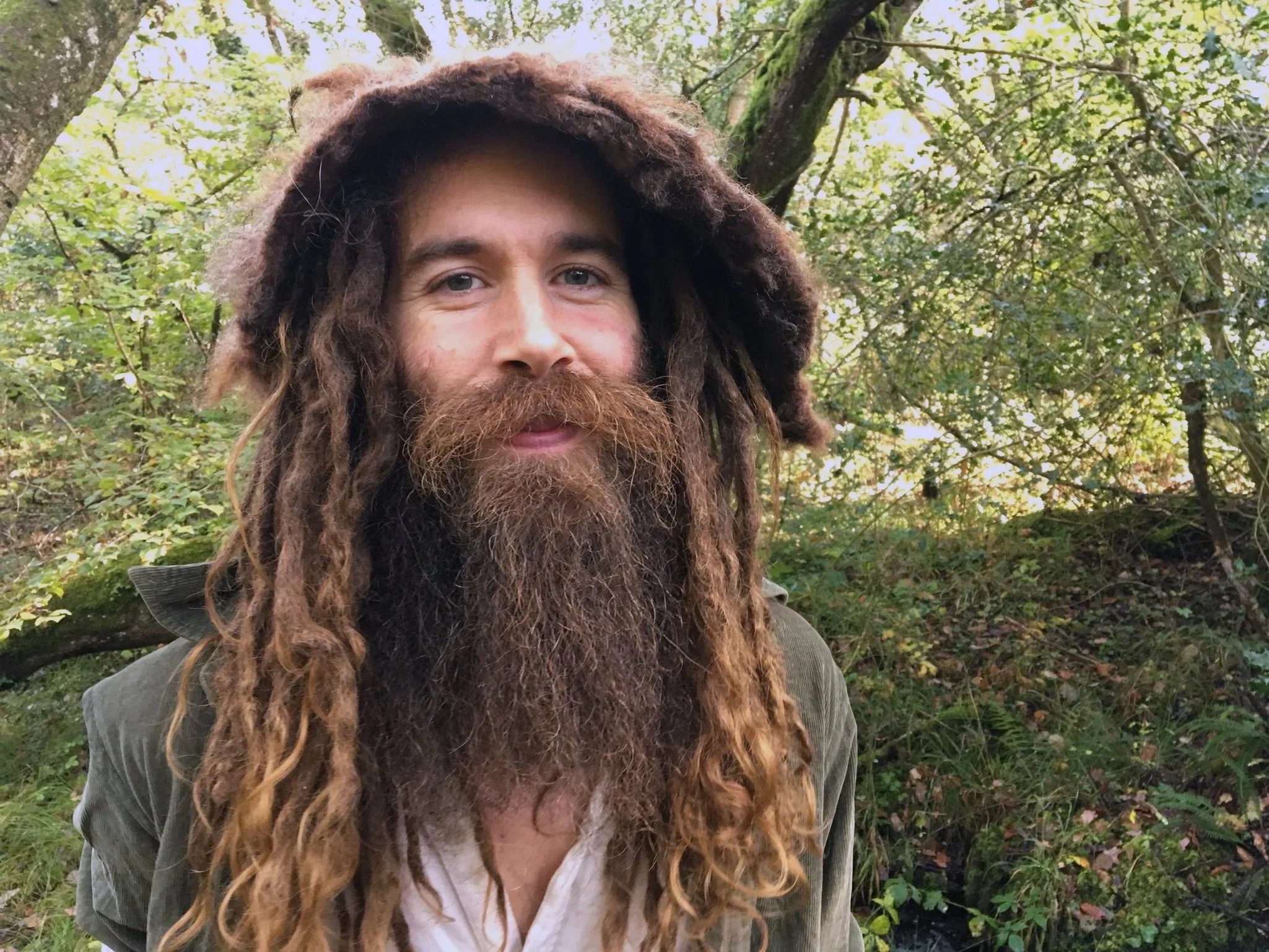
After living feral for almost 5 years, I was starting to become as wild as the woods themselves! But it was a very slow process of adjustment and attunement — one that would have taken decades or longer to go through fully.
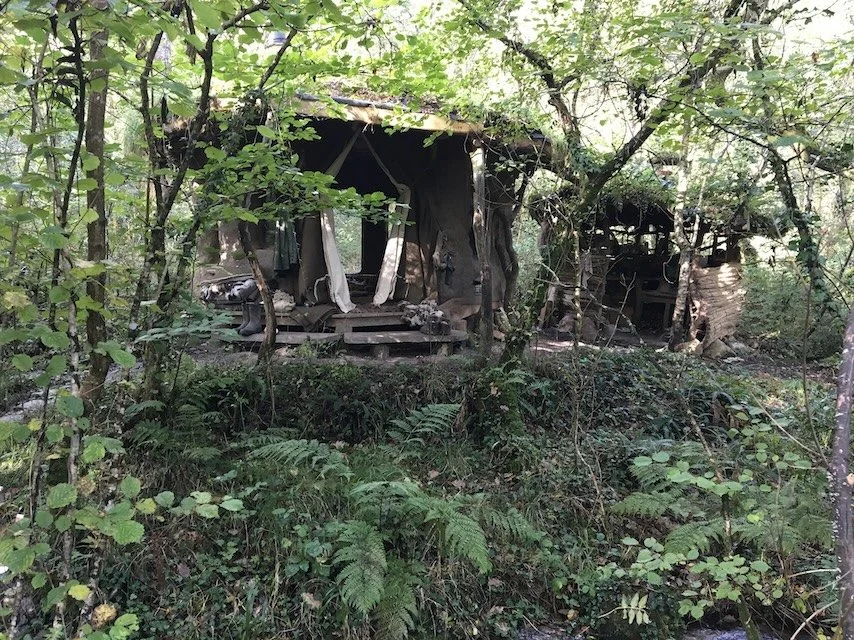
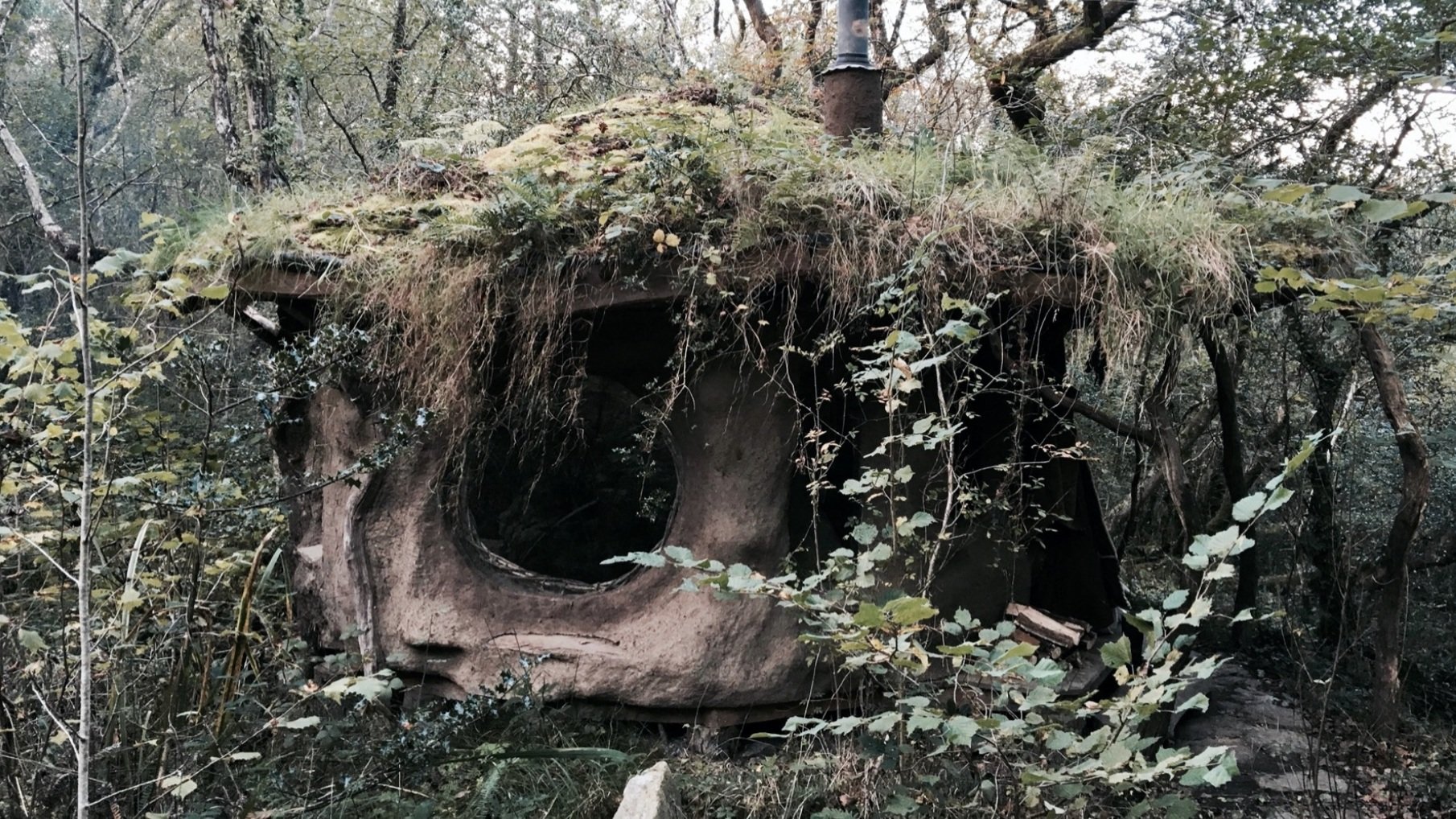
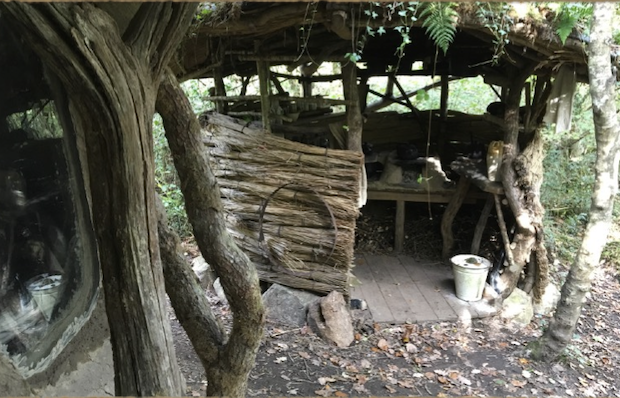
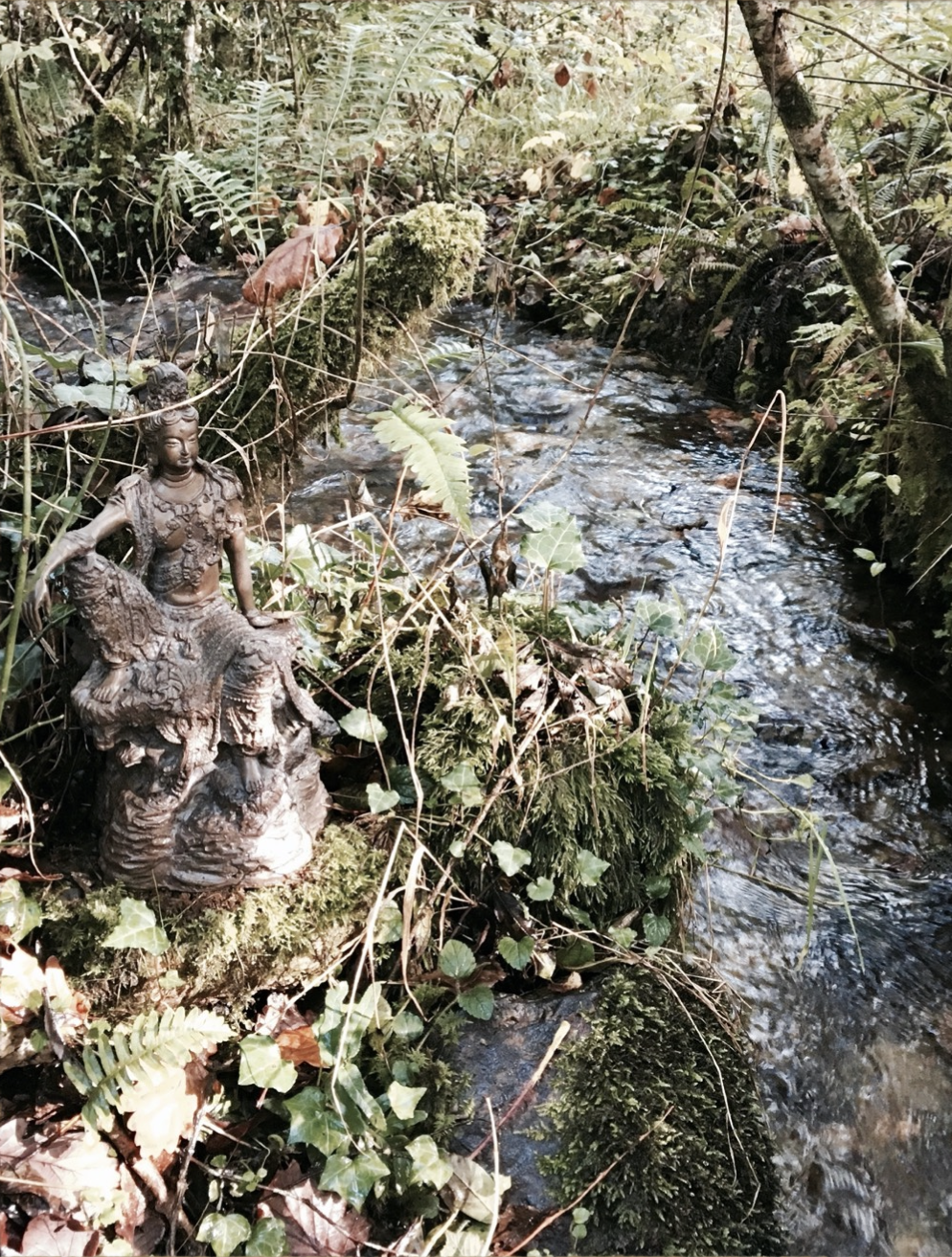
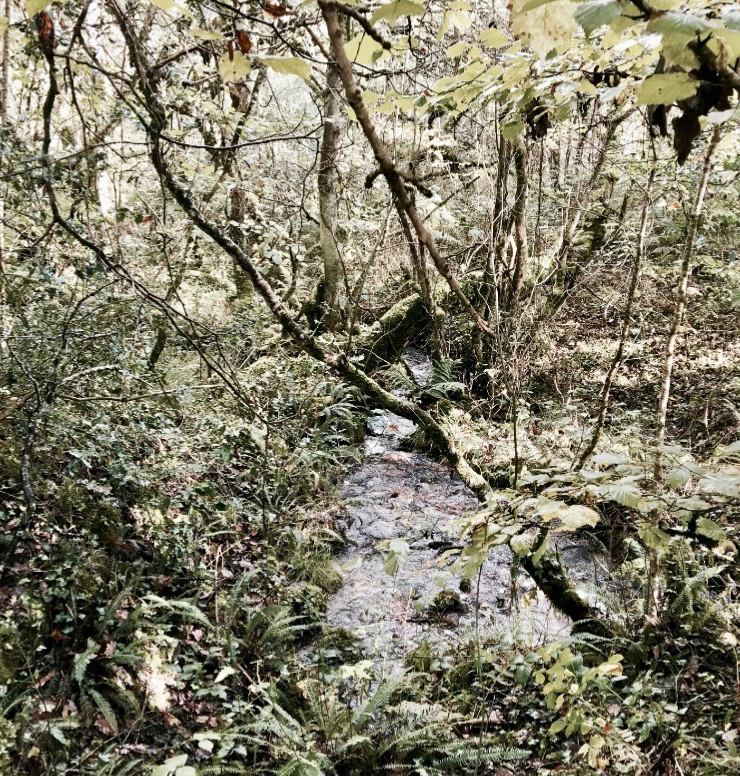
The bigger hut pictured here was my living space. The smaller one was my kitchen. One stream flowed in front of the hut, about where this photo was taken from. Another flowed parallel, just behind the kitchen hut. The air was full of their beautiful music.
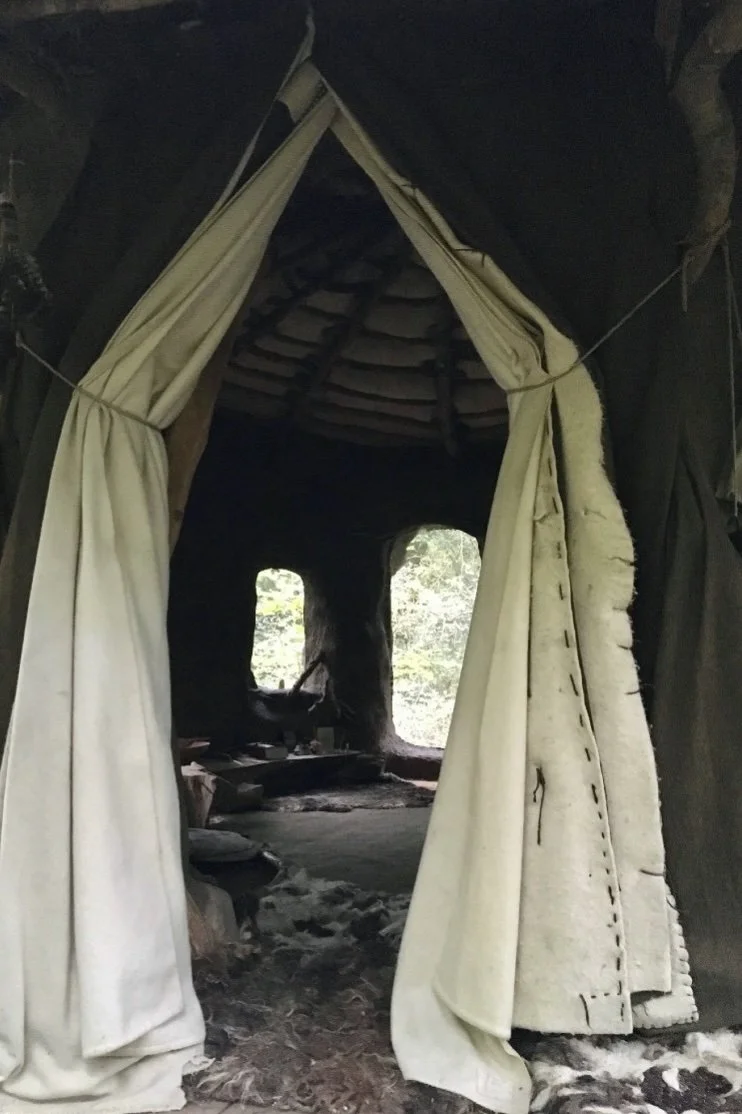
My door was made from layers of thick wool felt. It was strung open most of the time, but it closed snugly when it needed to.
Even with it closed, the music of the streams filled my hut all day and night.
I liked to think that the constant fluid sound was brainwashing me in a positive way — filling my mind and my whole being with the self-willed songs of the living earth.
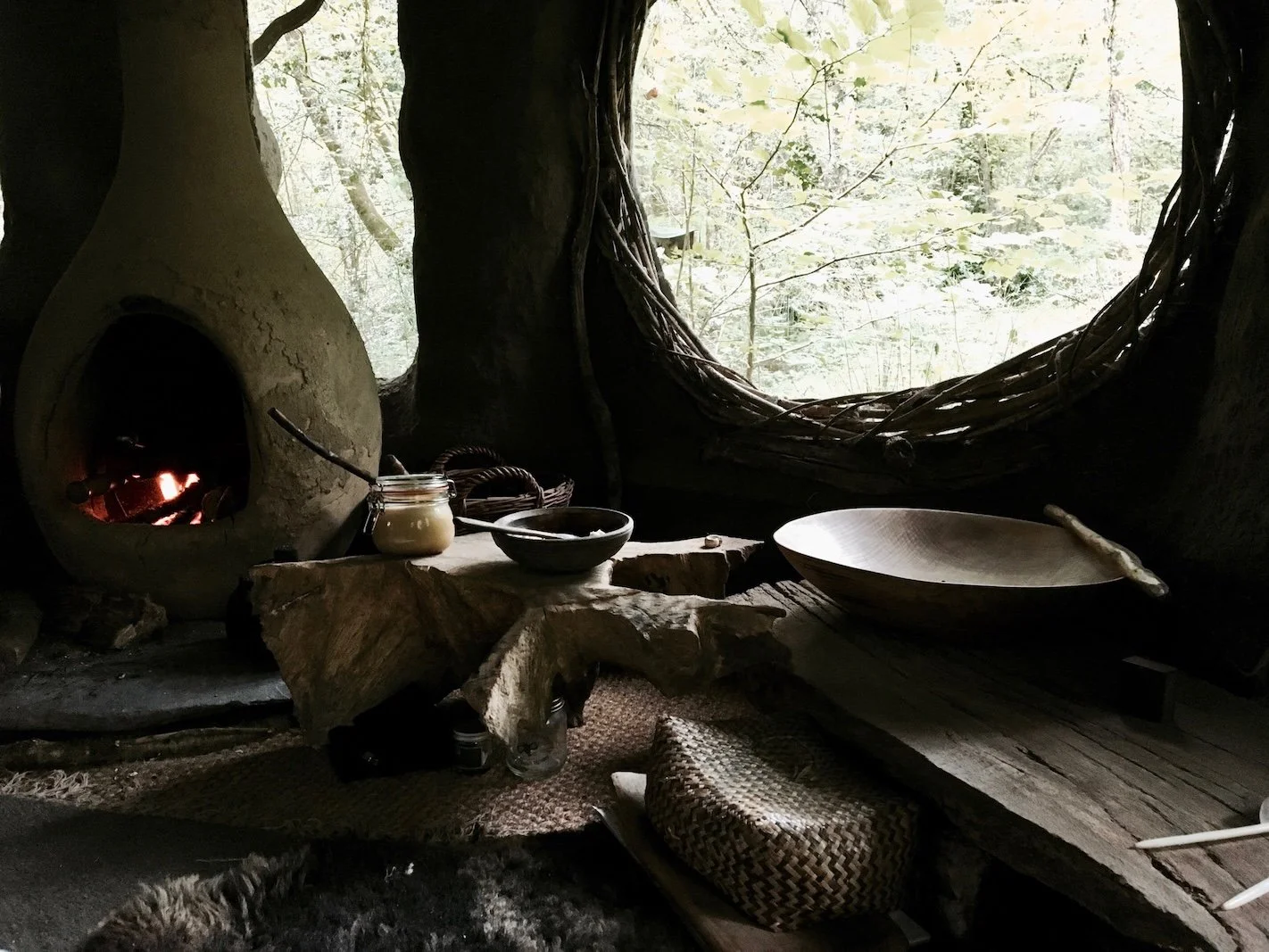
Inside, I made an earthen hearth, where I kept a wood-fire burning in the colder months and on cooler evenings. In front of the fire was space to sit, write, make things and do yoga.
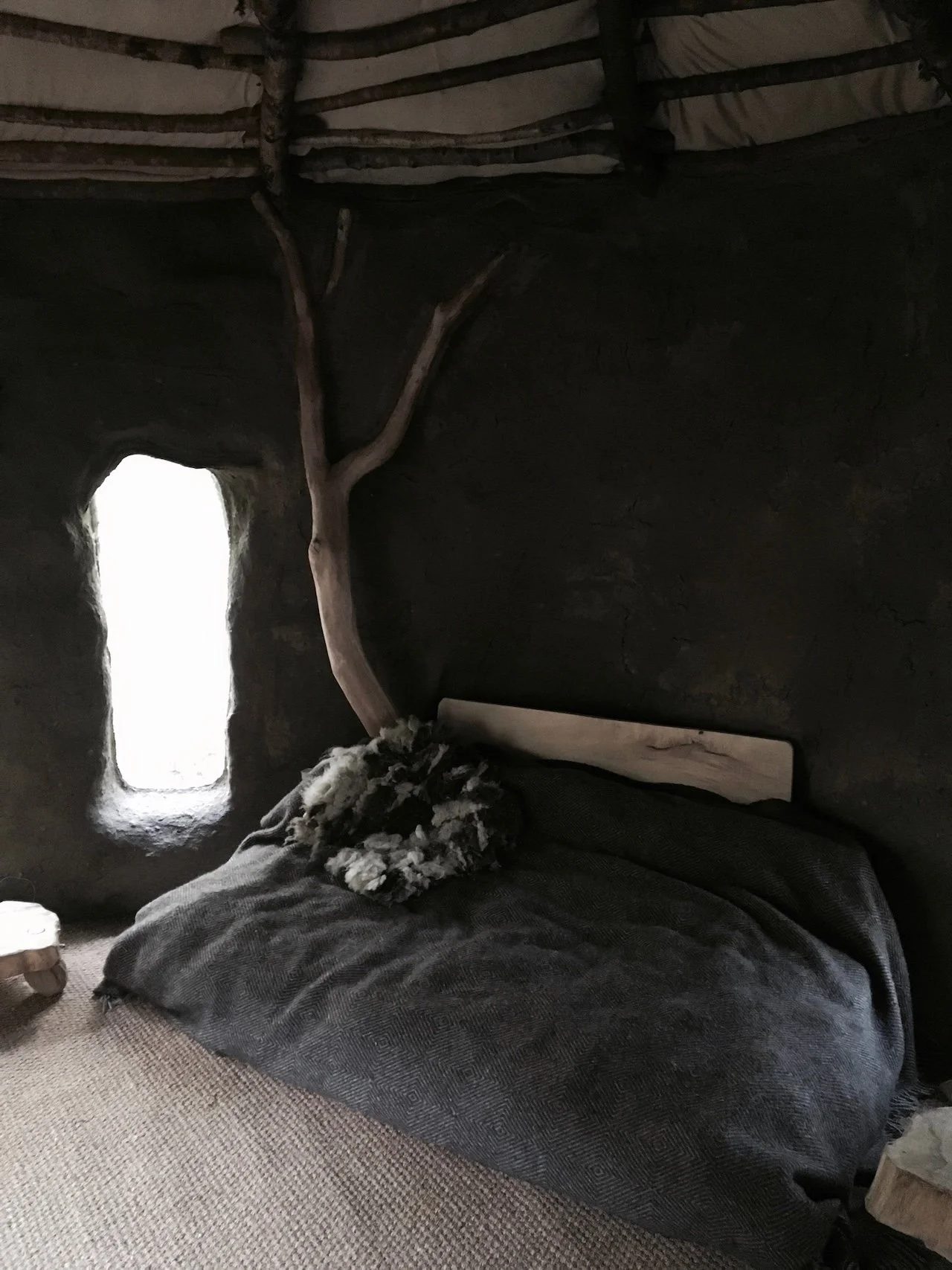
By day my bed rolled up to make a sofa…
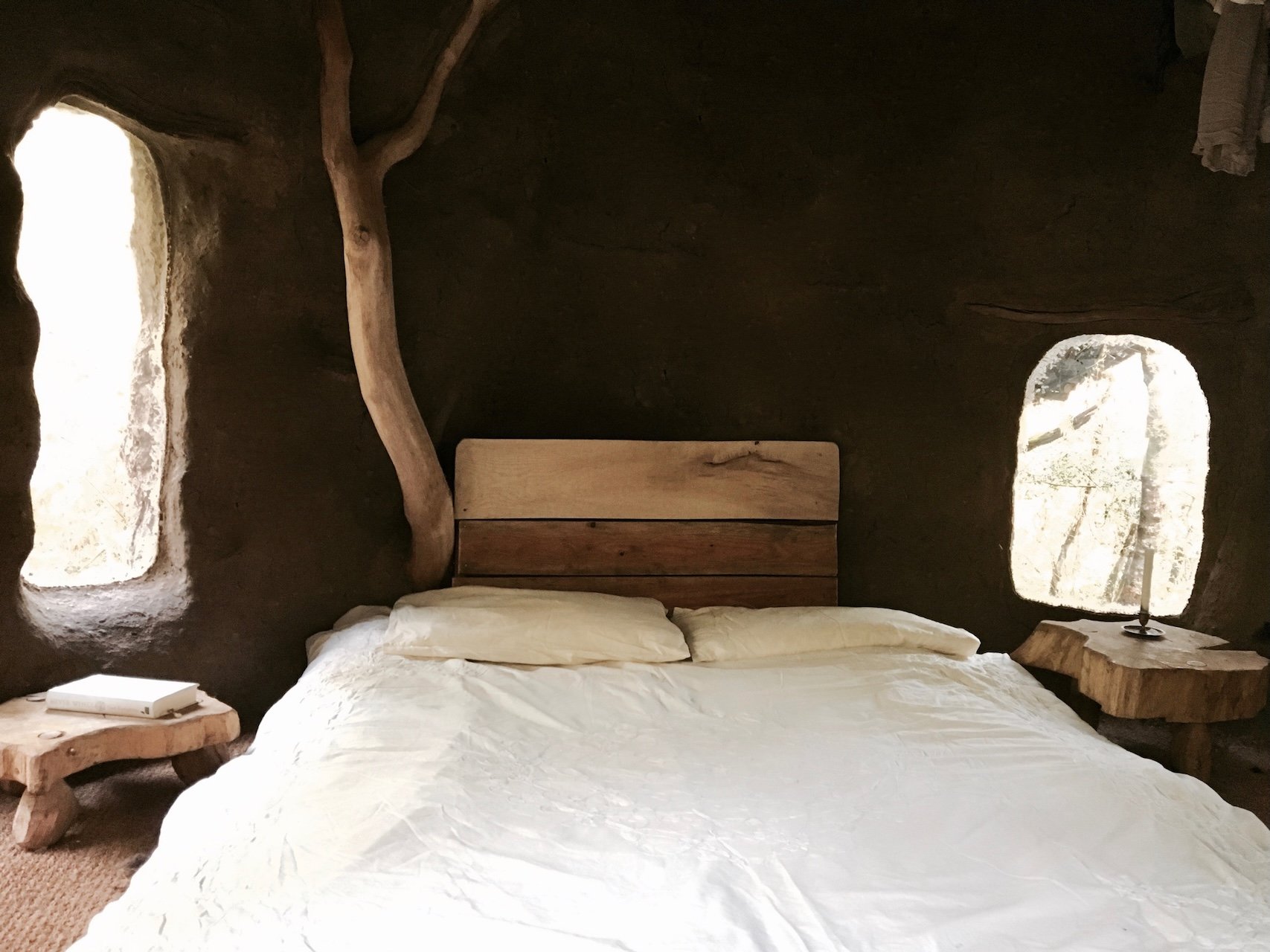
And out it rolled when I wanted to rest or sleep.
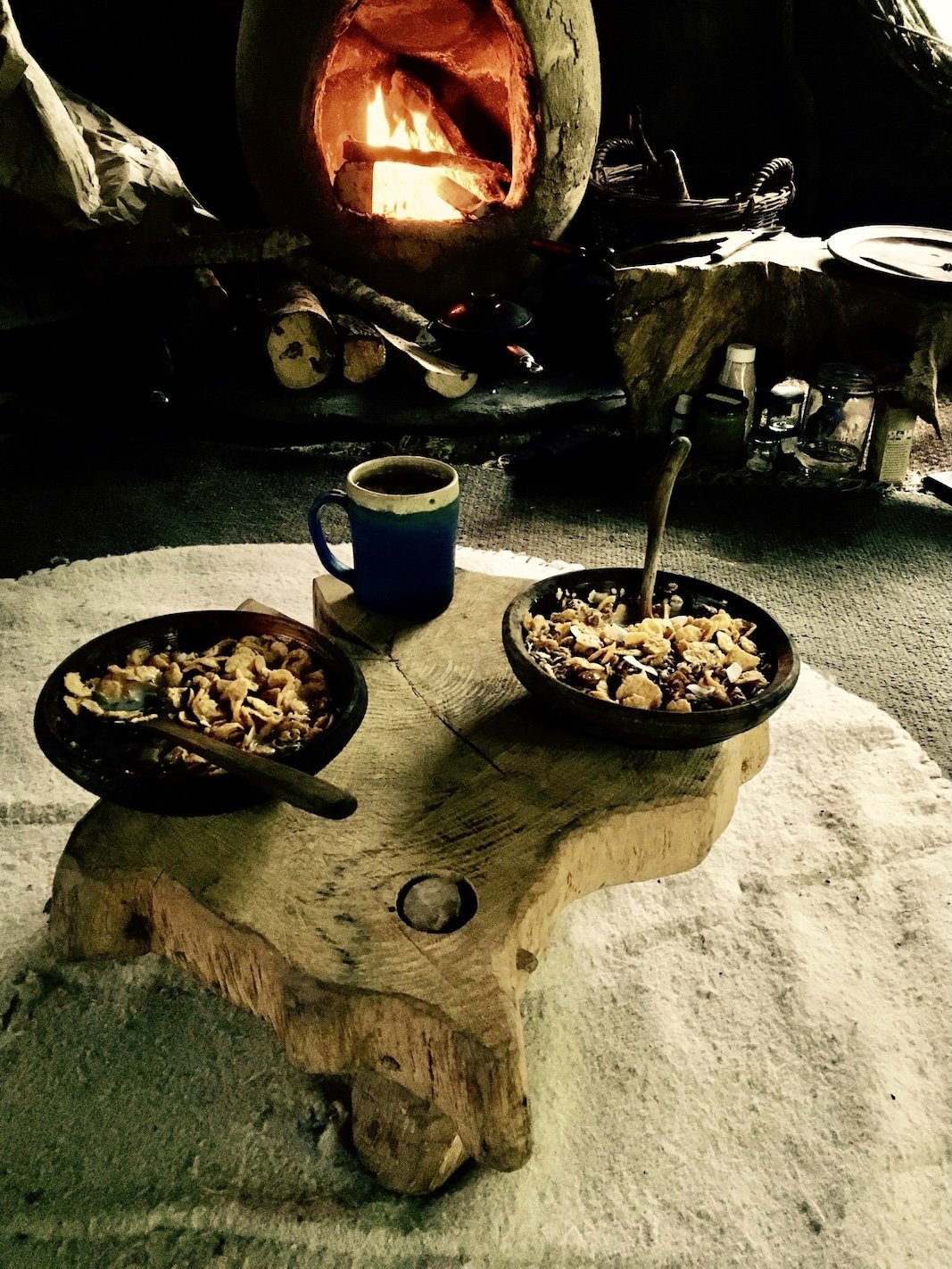
Breakfast time!
I wasn’t trying to be self-sufficient for food. I visited the local wholefood shop each week, bartering food in exchange for wooden spoons I made and which the shop then sold.
I did however eat a fair amount of foraged stuff — hand-juiced nettles were a favourite in the spring, and I eventually got into processing acorns into flour to make the most delicious honey-cakes.
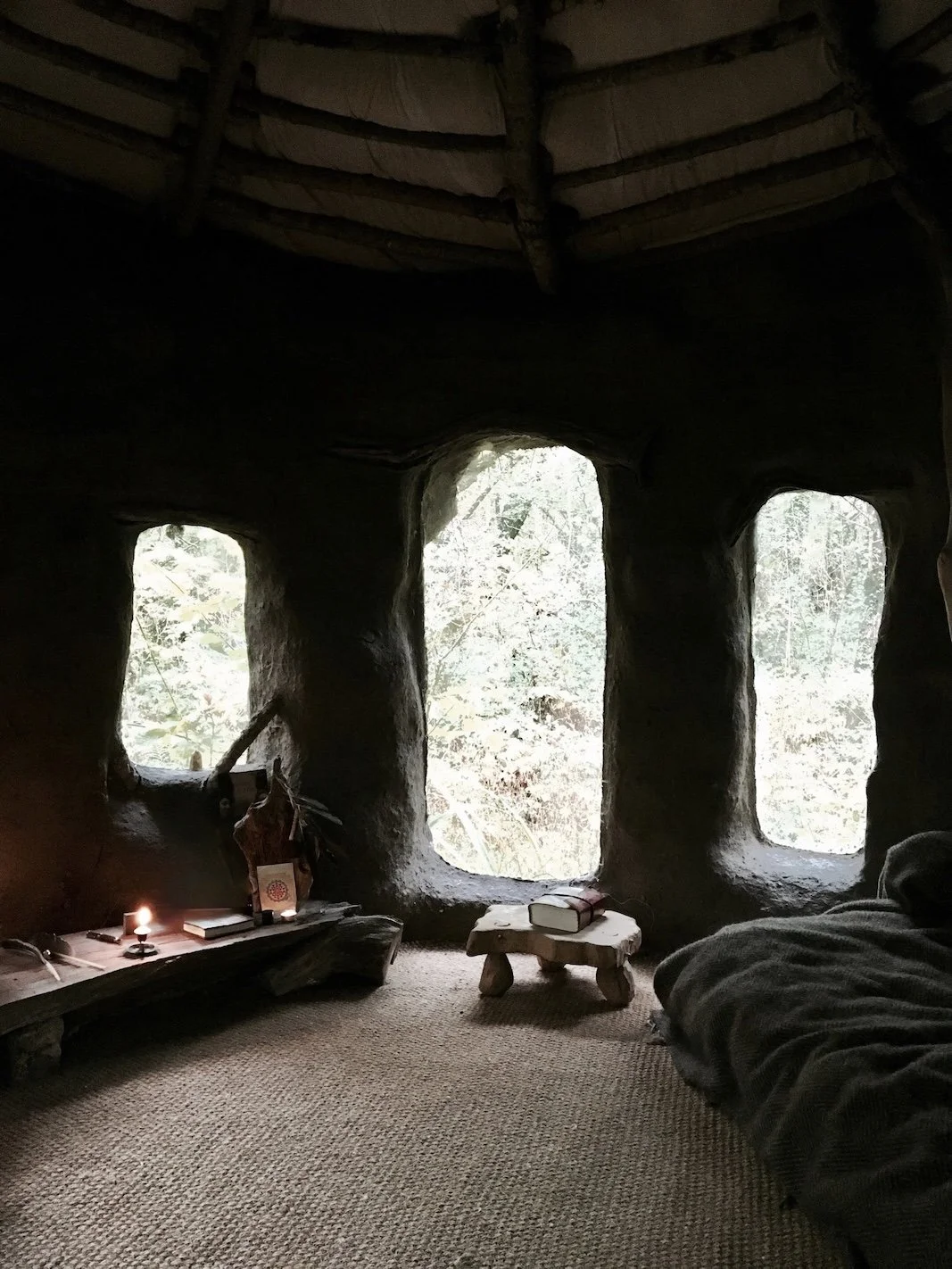
I built lots of windows into the hut, using mostly reclaimed units. Through each of these I could see only the wild shapes and colours of the woods. There was nothing else for acres in every direction.
My handmade furniture was pretty wild too — all made from oaks that had fallen over nearby.
The whole space was soft and organic. Inside it was dry and cosy while remaining energetically open and connected to the woods around.
Its roundness was part of what created this connectedness, as was the nature of the materials it was made of - raw and mainly foraged from the immediate surroundings. It was a deeply harmonious little house, almost one with its wild milieu in both form and substance.
It was shelter without separation from environing nature.
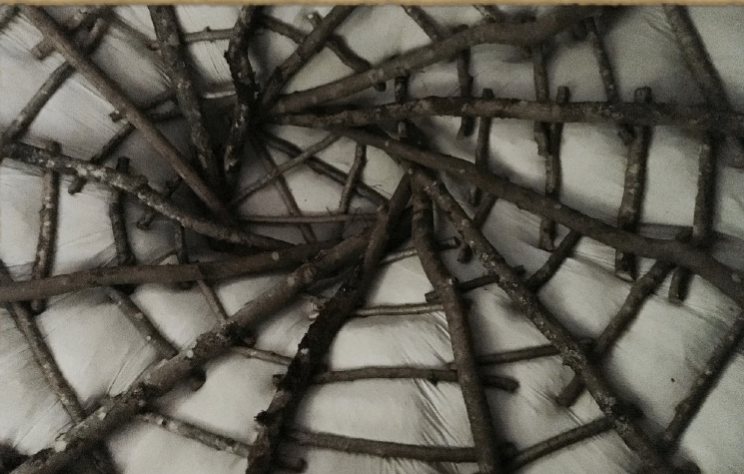
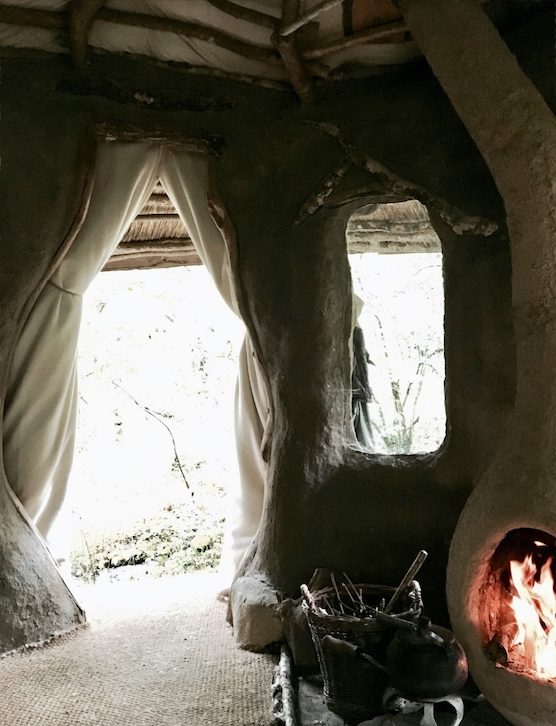
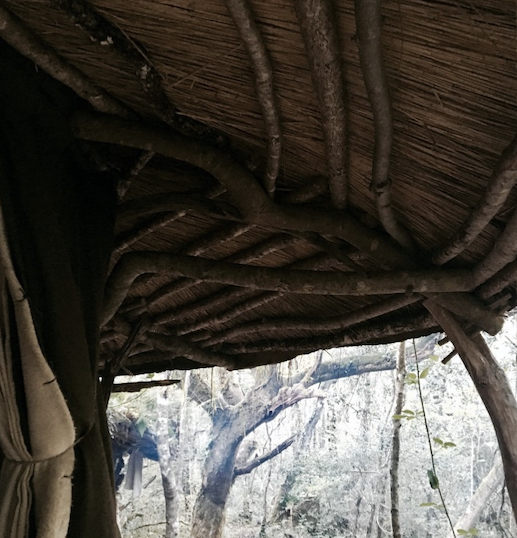
The roundwood for the roof frame came from the woods around the hut, cut with a bow-saw and prayers of thanks. The walls were also a roundwood frame, infilled with straw and covered with a clay and dung plaster mix — clay dug from the woods, dung from nearby meadows.
I just love natural form and texture, so building in this way and living in such an earthy home was a real joy. But more than personal preference, we humans evolved over millions of years entirely immersed in a natural milieu, surrounded by the shapes and textures of the living earth, so it makes sense that our bodies are happier in environments that have a deeply natural feel.
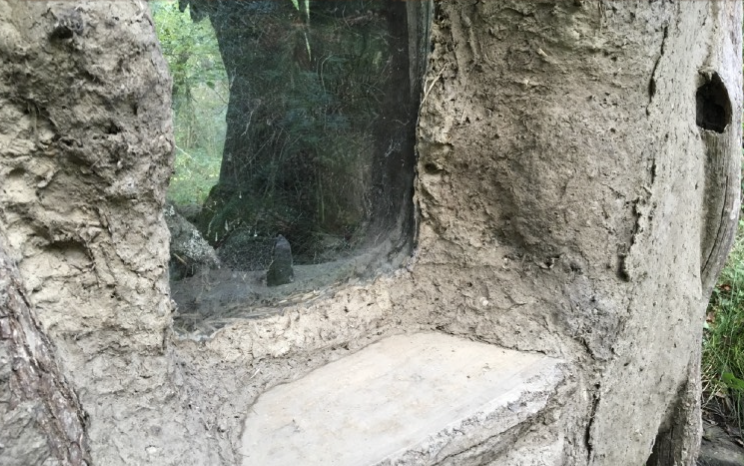
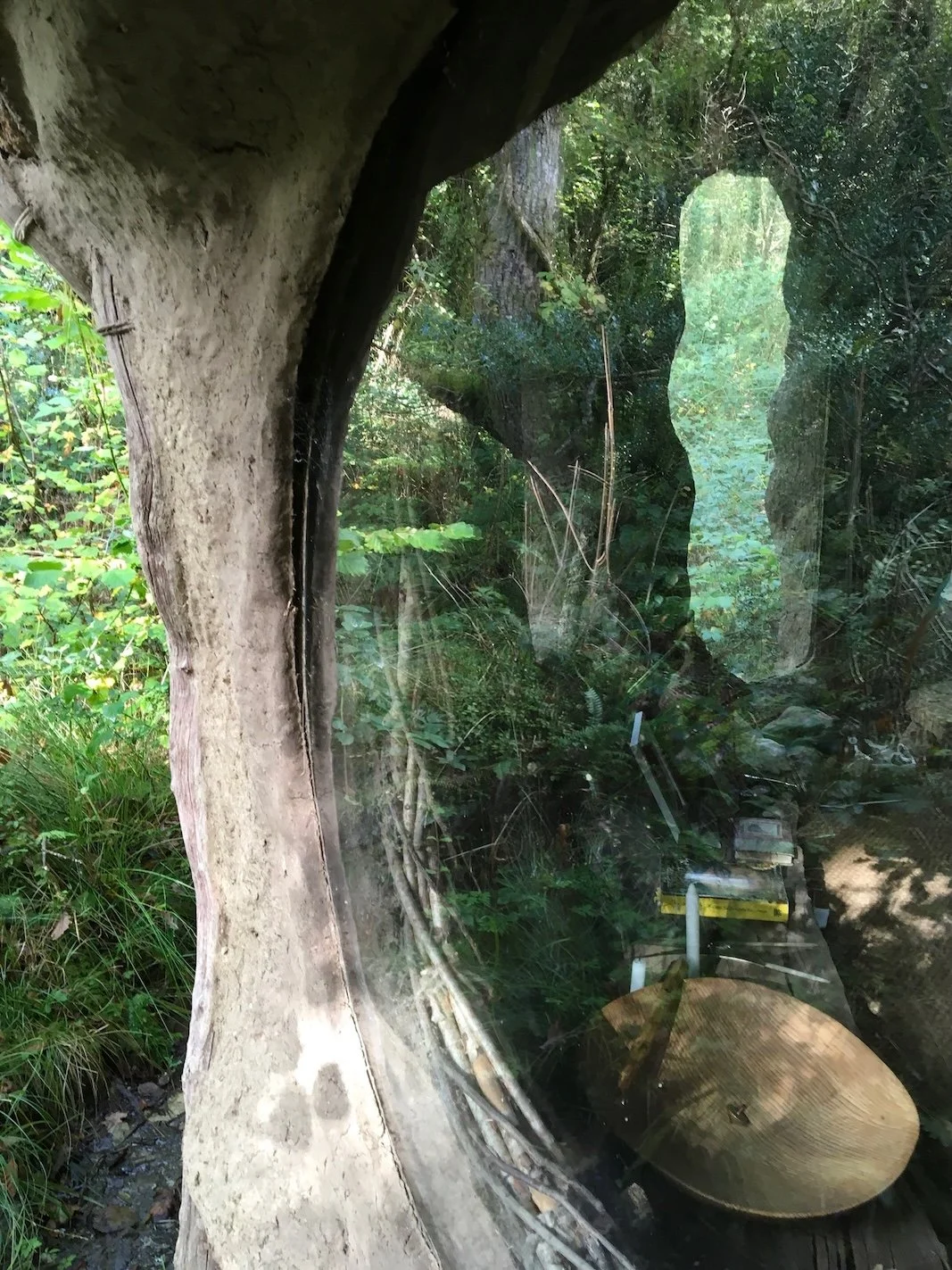
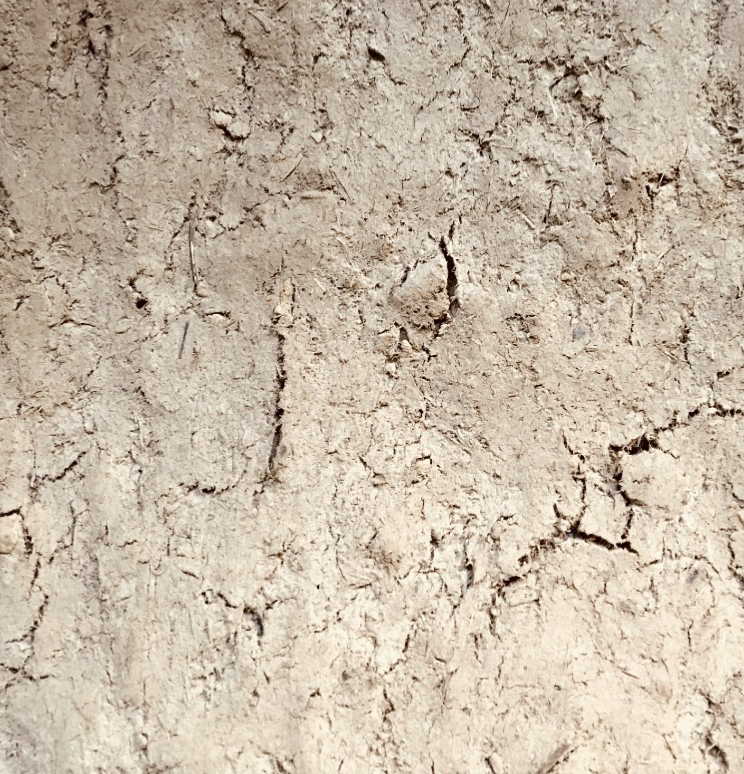
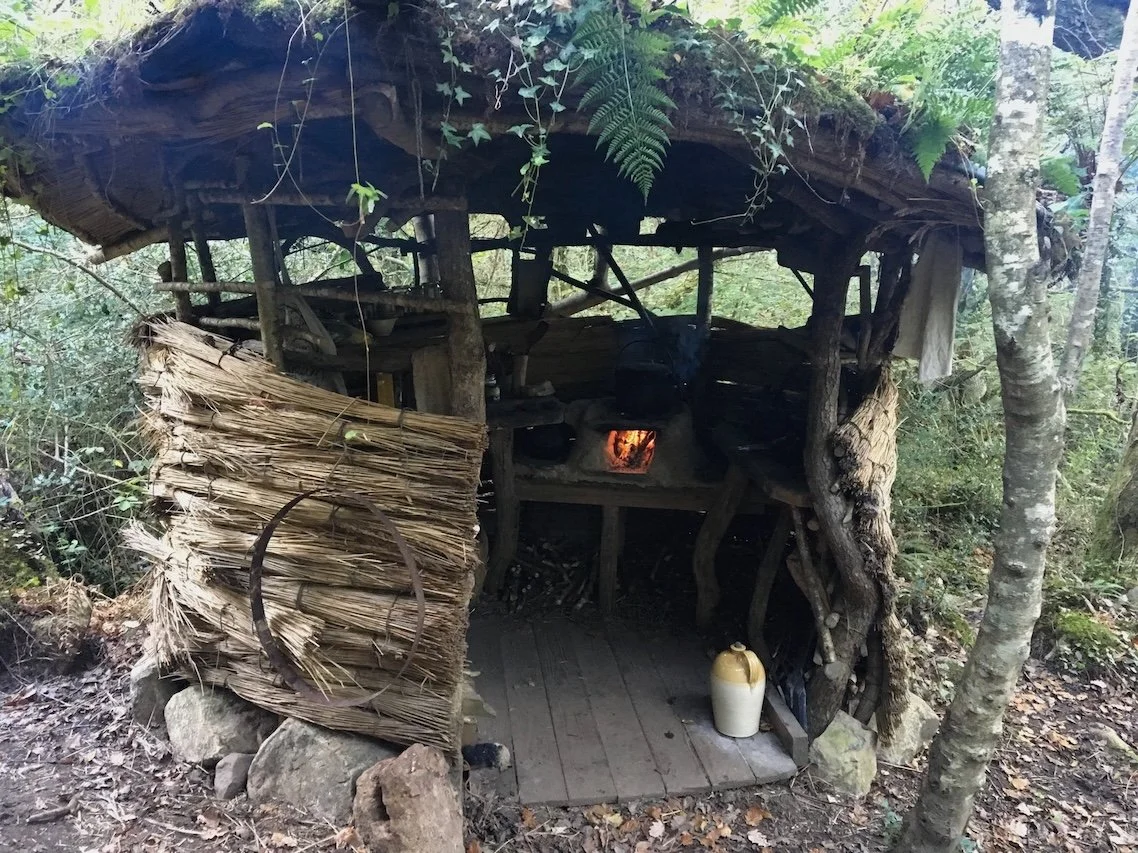
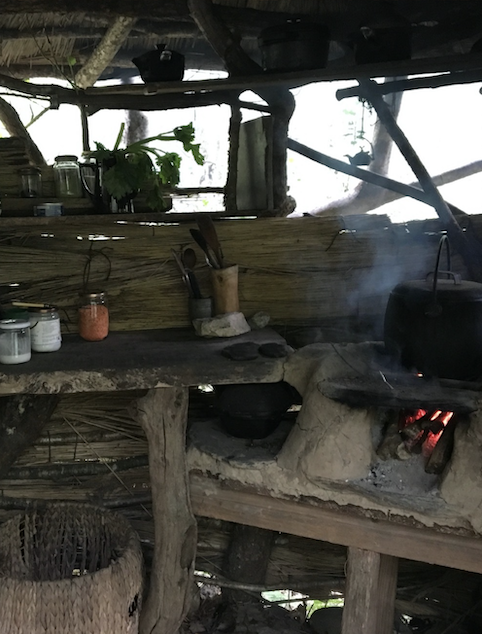
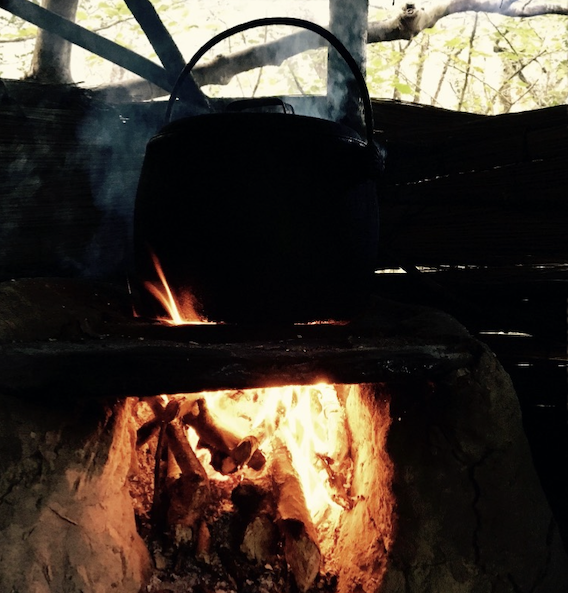
On my indoor fire I could boil a kettle and slow-cook a pot of stew, but I did most of my cooking here in my outdoor kitchen, where I’d made waist-height work-surfaces and a cooking fire that used twigs and small branches.
Sure, cooking on wood was sometimes inconvenient. But knowing that I only needed to go out after a few dry days with a sack in order to gather in around an hour enough dry cooking fuel to last me for a couple of weeks gave me a level of security unavailable to anyone reliant on long supply-chains to deliver gas or electricity to cook on.
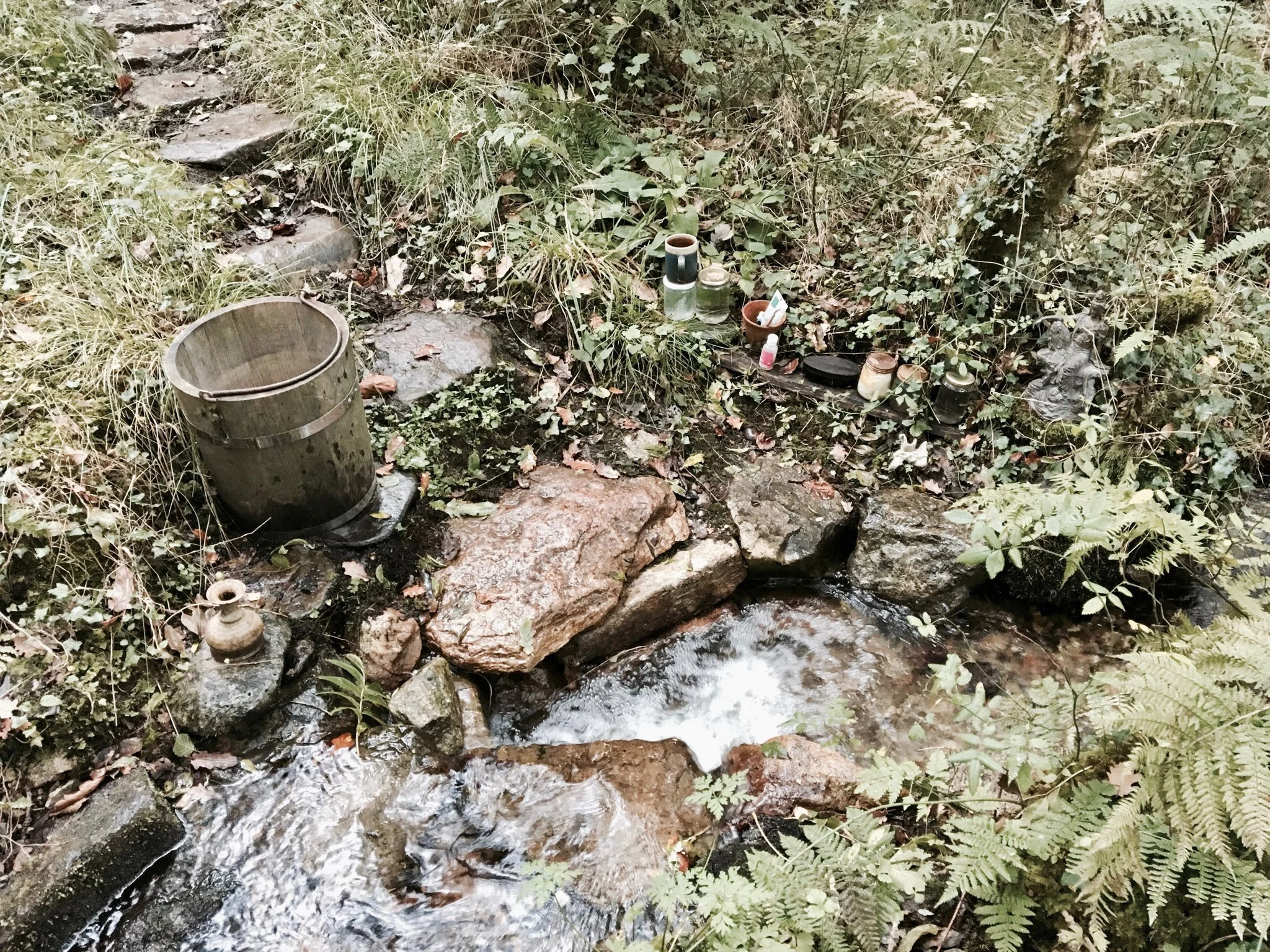
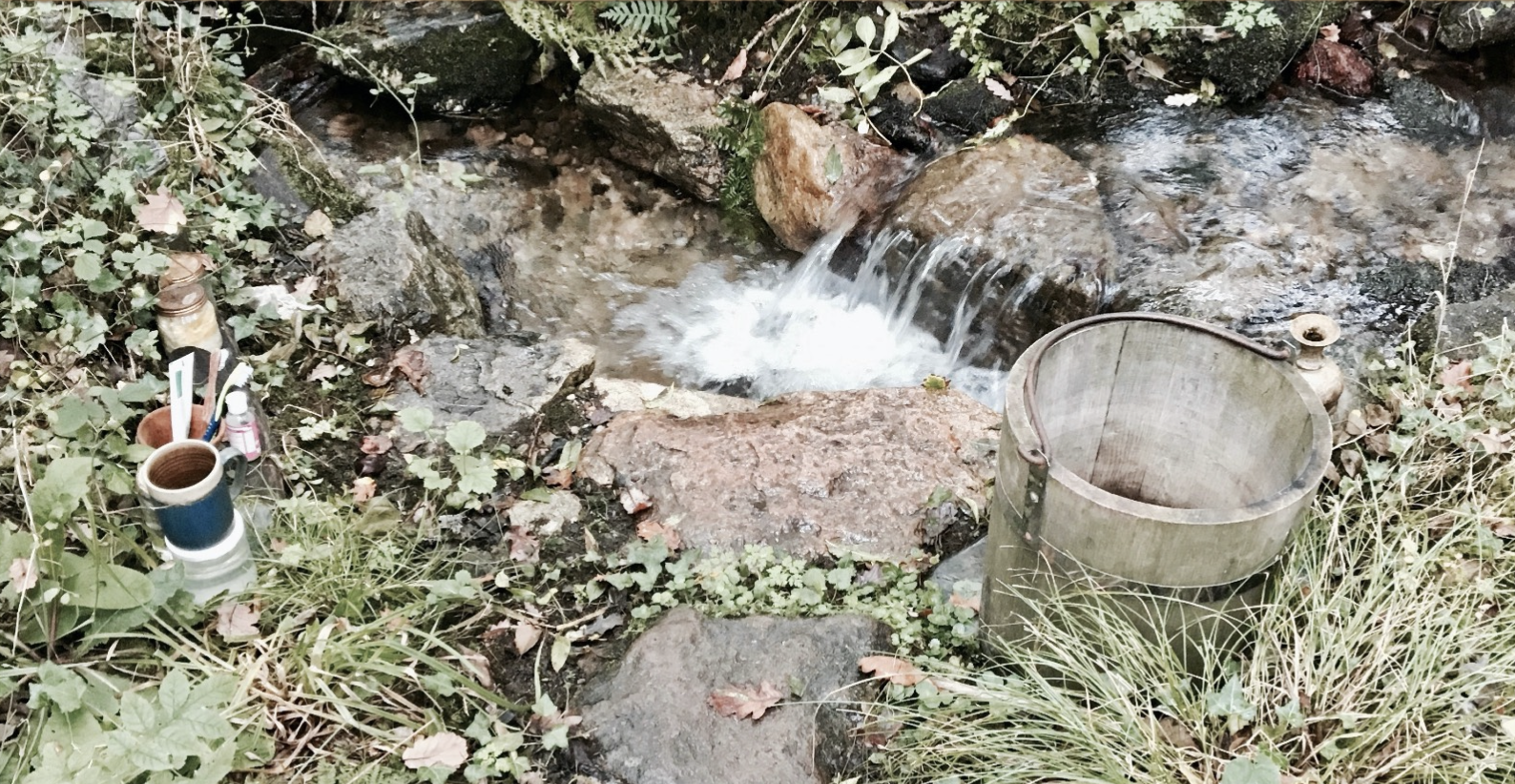
My relationship with water was equally direct. The stream that flowed just in front of my hut rose from a deep spring just four or five hundred yards up through the woods. I drank it unfiltered and cherished every drop. I shaped a little pool and lined it with large stones, and laid a stone path down to it from my door. There I gathered water for cooking and drinking. I also washed, washed-up, brushed teeth, and made prayers.
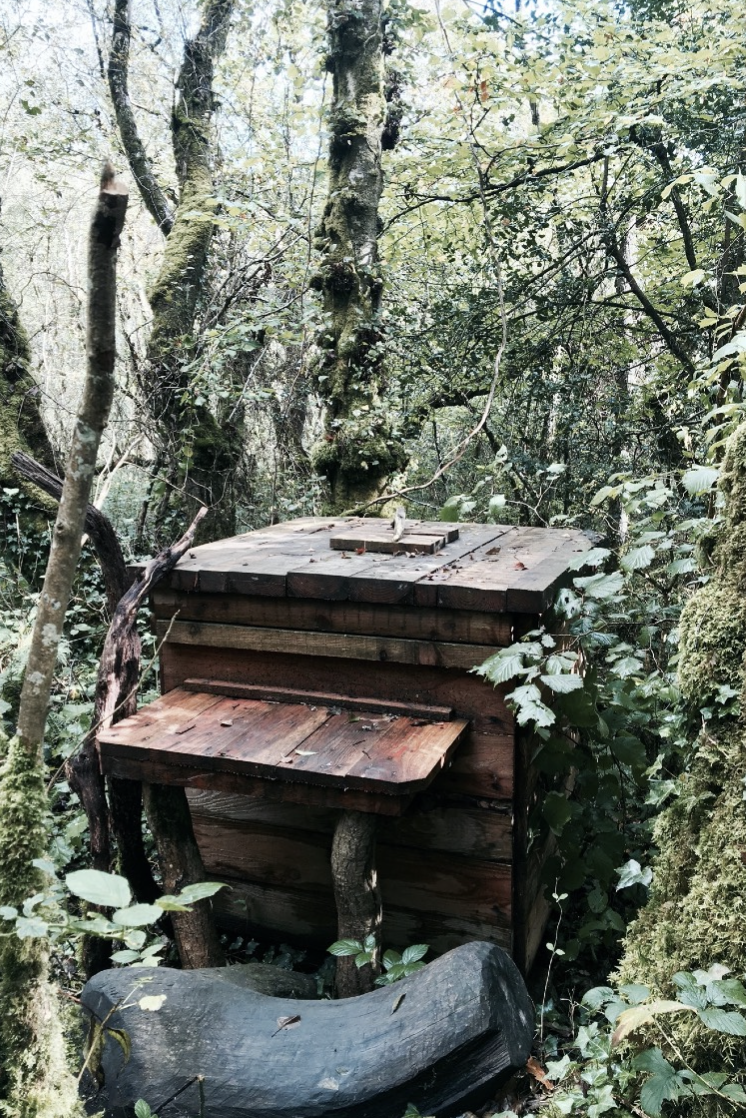
A little way through the woods and well away from the two streams was my open-air compost loo with its jungle view.
Personally, I find that squatting in the fresh air is by far the best way to poo – even in the rain!
Like so much else about my life there in the woods, this exposure to the elements, the repeated offering of myself towards closer relationship with the more-than human world, was an intentional part of the design.
Of course, this was often uncomfortable, and sometimes infuriating. But overall it was deeply nourishing, connecting, and engendering of a deep sense of belonging.
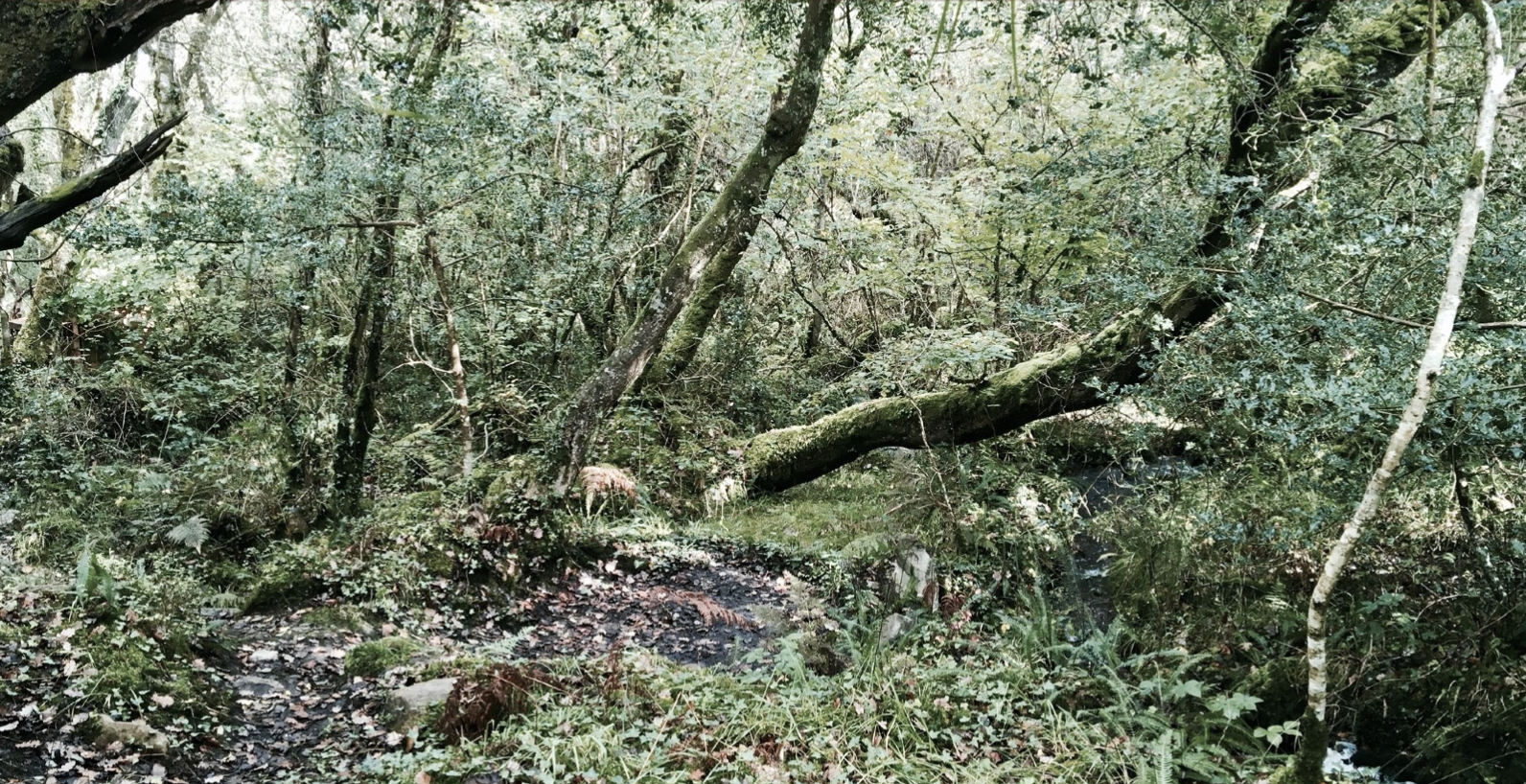
This was the view from my doorstep. Just down beyond the lying-down tree is where the two streams that flowed either side of the hut met and became one. I’d often sit out here in the mornings just gazing into the woods, watching the breeze and the birds play through the leaves and branches.
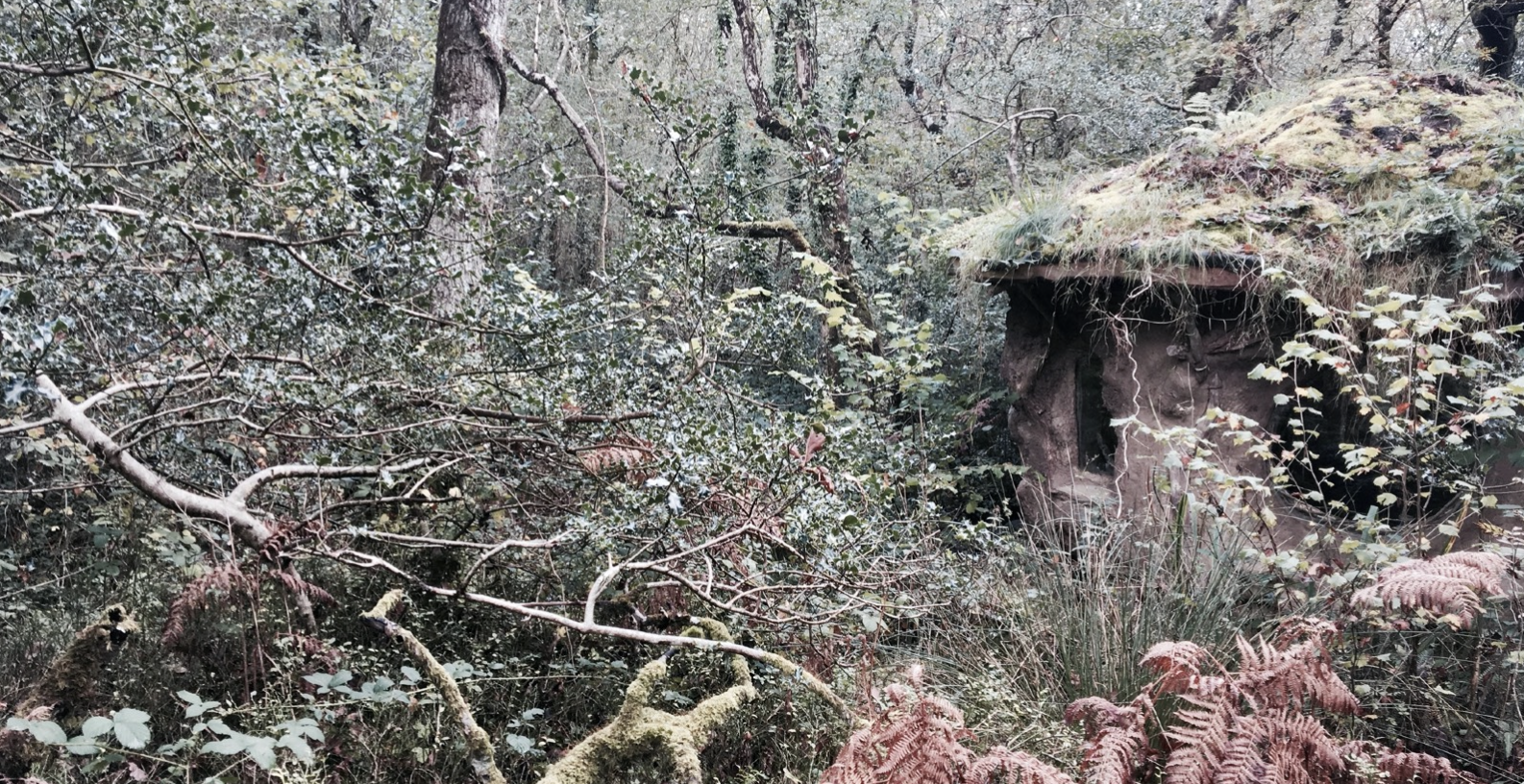
And from the other perspective: from almost any distance away the hut became invisible. A few paces backwards from here and it would have disappeared.
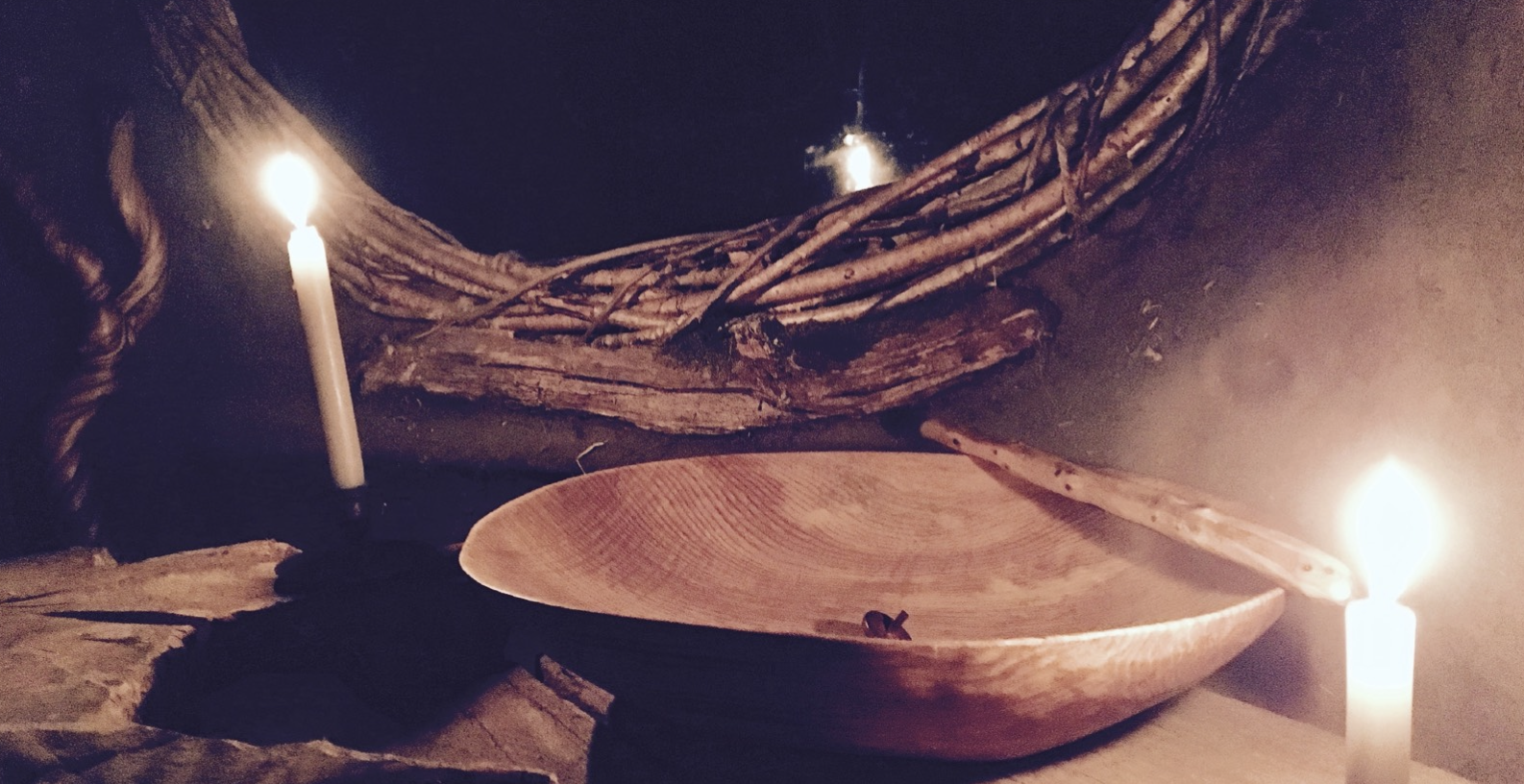
In winter after the sun had gone down I sometimes used candles for lighting, but mostly I had only gentle firelight in the evenings. Yes, the nights were long, but darkness and stillness are nothing to be feared.
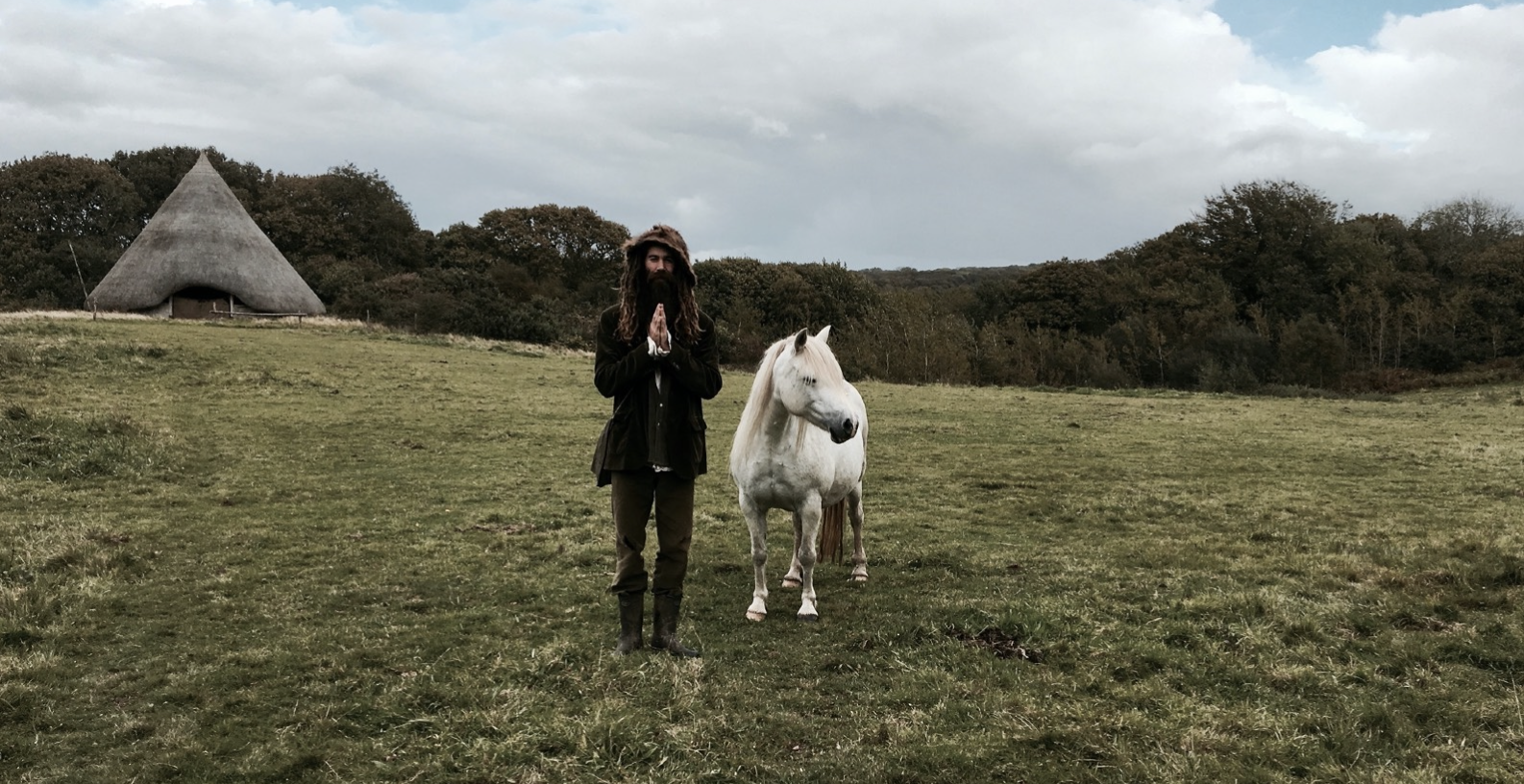
Elsewhere on the 60 acre site were a few other woodland dwellers living in little huts similar to mine. The building in this photo was our communal space, where we’d gather a few times a week for singing, eating, and sharing circles.
Beyond this immediate community, I had a few friends fairly nearby, and I wrote letters to others living further away, but mostly I was happy in my own company and enjoying the presence of the wider community of life of which I felt myself increasingly to be a part.
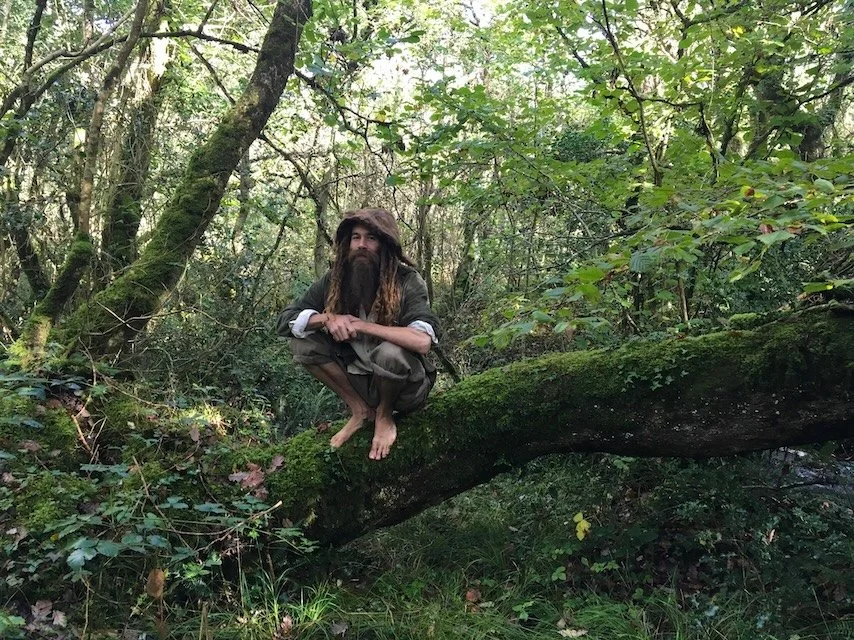
Looking back through these photos, describing my little hut and my elemental existence there, remembering the joy I experienced daily through my deepening connection to the earth and sky and the turning seasons, I feel enormous gratitude for the years I spent in the woods.
I also feel renewed grief that humanity has strayed so far from elemental simplicity and natural abundance. The myth of progress has blinded so many of us to the richness, beauty and quiet goodness of life lived close to the land and place-based community.
But turning back towards these things doesn’t require the kind of extreme immersion I went through. There are gentler ways to restore ourselves to the circle of life.
I aim to spend my remaining years on this earth exploring those ways and doing what I can to open up paths into them.
Moss-Gardening in Paradise — Lyrical Prose and Poems from the Wild Edge
Moss-Gardening in Paradise