Exploring pathways home to the land
by James Bullen
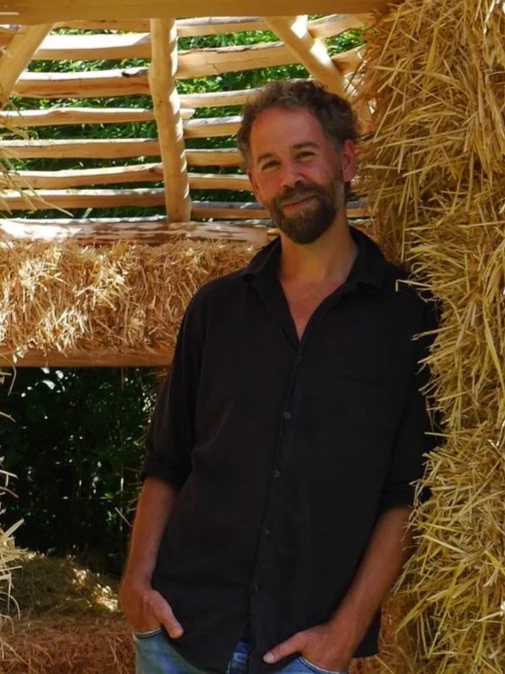
Hello, I’m James.
For the past 25 years I've been questing towards the land, land-based community, and ways of life that nurture deep ecological belonging.
I've recently started articulating what I've discovered on the way — small-scale approaches that are beautiful in themselves and which might contribute to a future more closely aligned with ecological and human flourishing.
My work is an attempt to develop these approaches into coherent pathways worth exploring together.
Journey
My journey has been in part an attempt to escape from what I’ve experienced as the systemic violence of industrial modernity, and in part a quest to discover and inhabit more beautiful and life-sustaining alternatives to it.
Practice
My practice includes ongoing experiments in low-impact living, natural building work, and continued exploration of the beautiful ecosystem of practitioners and places involved in the renaissance of land-based culture in the UK.
Thinking
My thinking is rooted in long-term enquiry combined with radical embodied land-based practice, and expressed through a range of writings that seek to understand causes, challenge assumptions, inspire active hope, and open up new possibilities.
Building
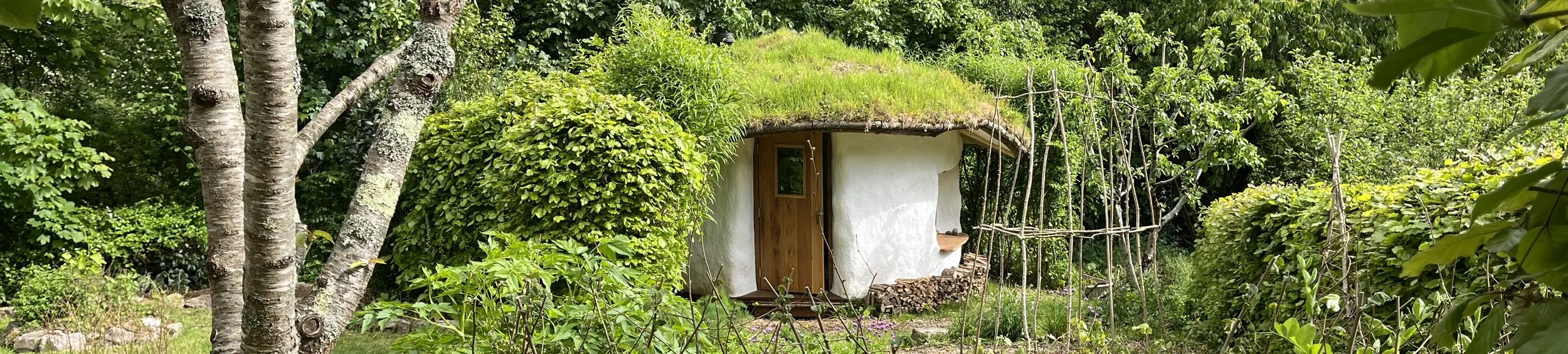
I build low-impact natural structures that are low-cost, circular (in every sense), and robust enough for comfortable 4-season earth-dwelling for individuals or families. I think of them as portals out of an extractive system and home onto the land.
Collaboration
I’m actively seeking to bring my unusual mix of practical, intellectual, and integrative skills into creative collaborations with people, projects and organisations working at the intersection of land-based practice, cultural renewal, and systems change.
I don't believe large-scale solutions to our current crises exist yet — and I actually suspect that scale itself is a core part of the problem. So what I'm exploring is intentionally small: pathways for individuals, families, and communities to build closer relationships with the land, each other, and the wider community of life.
For now, these pathways will probably only appeal to the few thousand people in Britain already actively seeking a lighter, more land-based way of life — and that's fine. But I’d like to think that such paths might, in time, contribute something useful towards more mature civilisational responses as these emerge.
It’s also possible that there will be times ahead when living much lighter and closer to the land becomes more desirable or even necessary for many more people — and at that point, it could be useful to have viable models around to pick up and work with.
I’m not talking about building ‘prepper’ enclaves or even civilisational lifeboats, but seed-banks of land-based practice and lived experience that keep certain forms of life materially and culturally available for futures that may be heading our way.
Selected writings
-
![]()
Land-Based Settlement Design Proposal
An integrated model for 15-household settlements combining affordable housing, low-impact infrastructure, small-scale diversified farming, intergenerational community living, and a progressive approach to inclusivity, economic viability, and governance.
-
![]()
My Woodland Abode: A Window Into Radical Elemental Simplicity
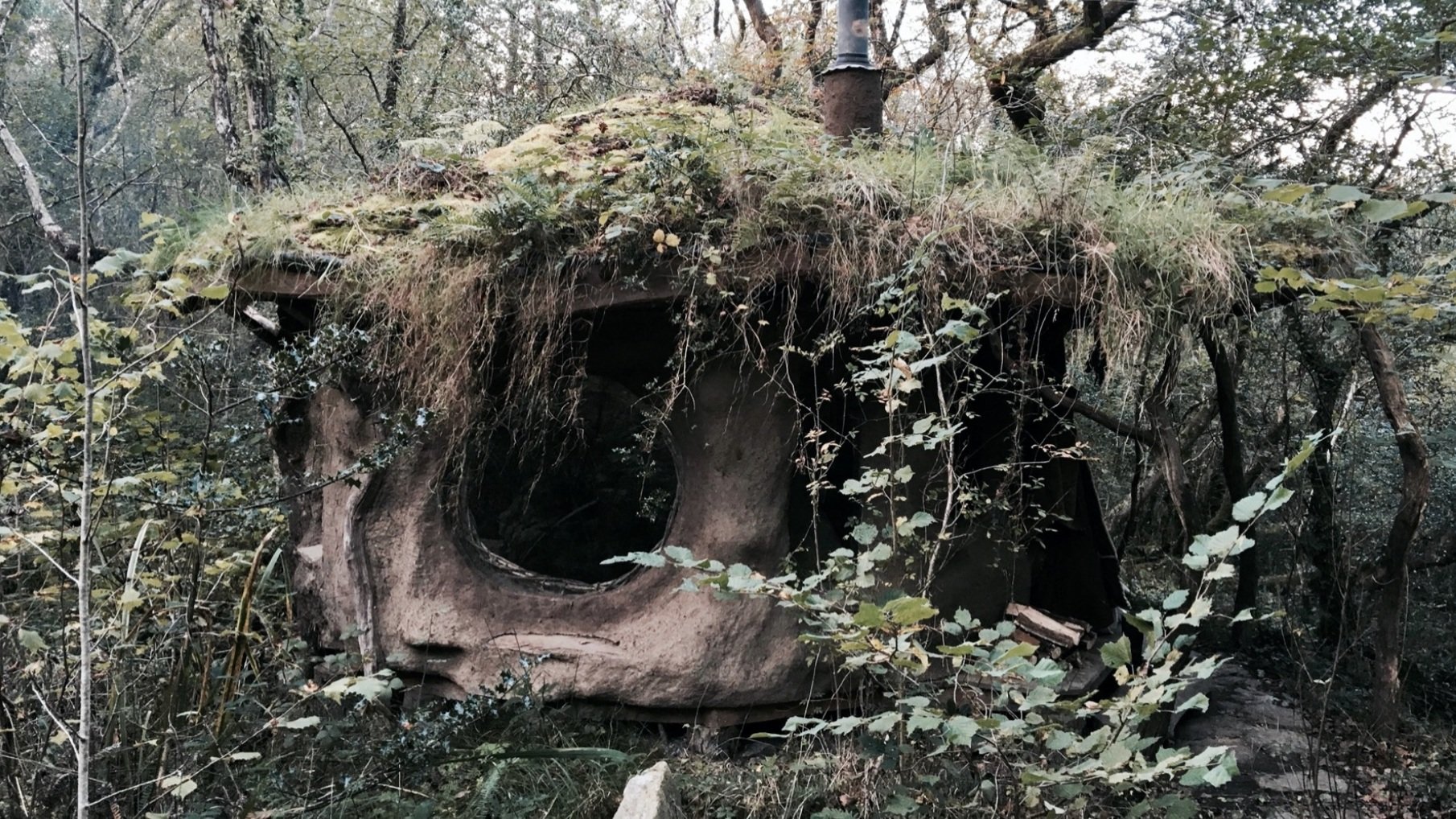
Strange to say, but I spent five years living in the woods in a little mud hut without electricity, piped water, or a front door. Join me on a photo tour of my wild hut, with brief descriptions of my way of life there.
-
![The Land Keeps the Score]()
The Land Keeps the Score
Our housing crisis, biodiversity crisis, mental health crisis and climate crisis are usually treated as separate problems requiring separate solutions. This essay argues that they are all symptoms of a deeper crisis of separation: the gradual unraveling of the relationships between people, place and the living world. It explores how Britain’s landscape bears the marks of that separation, and why small land-based communities might become pioneer places where a different pattern of life can begin to take root.
-
![]()
Honey in the Heart
A short piece of lyrical prose from my time in the woods: ‘I awaken, as if on wings of birdsong, from dreams woven upon singing waters. It’s dawn, and the sun’s early light is slowly filling the jungly woods. The music of the morning pours bright and clear through my open door from the clearing in which my little hut sits… ‘
-
![From Separation to Belonging: A Manifesto for the Restoration of Land-Based Culture]()
From Separation to Belonging: A Manifesto for the Restoration of Land-Based Culture
A manifesto for the restoration of land-based culture, exploring how a return to the living earth and the creation of land-based communities could help shape a more beautiful future.
-
![Growers Sanctuaries]()
Growers Sanctuaries Design Proposal
A proposal for small growing sites designed to provide growers with access to land, rent-free housing, and a simple cross-subsidised income structure to provide basic financial security — enabling them to focus on producing food for their local community.