What can a home make possible?
All buildings embody a worldview. They organise the lives of their inhabitants around a particular set of assumptions, relationships, and patterns of involvement. In this way, the structures we inhabit quietly shape our lives in ways we might never consciously choose for ourselves.
So the question that interests me isn’t simply how can we build more sustainably? It’s what kind of life are our buildings trying to make possible?
The structures I build are an attempt to make it possible to step out of an extractive system, lay down heavy economic burdens, and reclaim lives more rooted in land-based sufficiency, place-based community, and slower, more attentive ways of being.
Built from the land
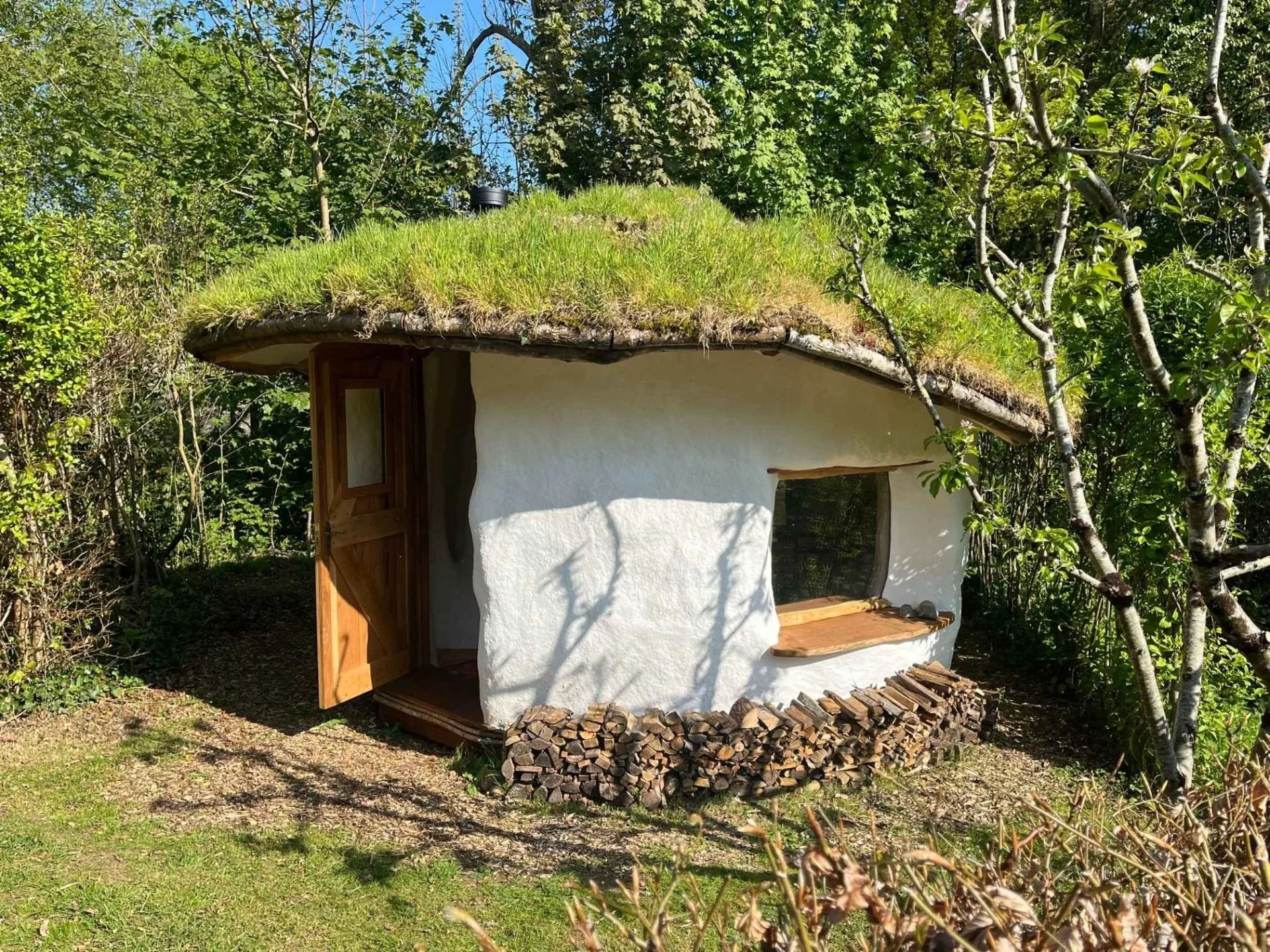
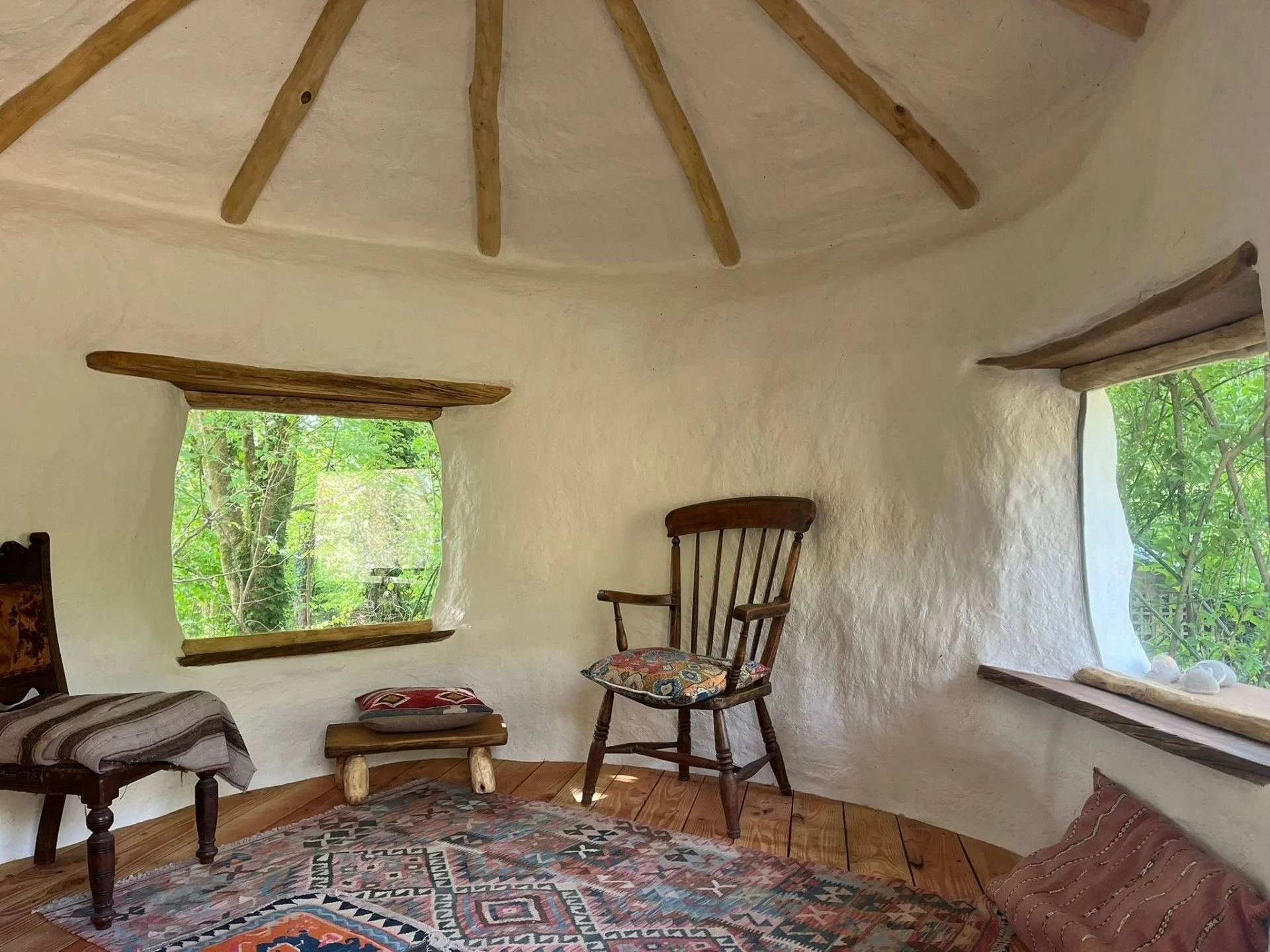
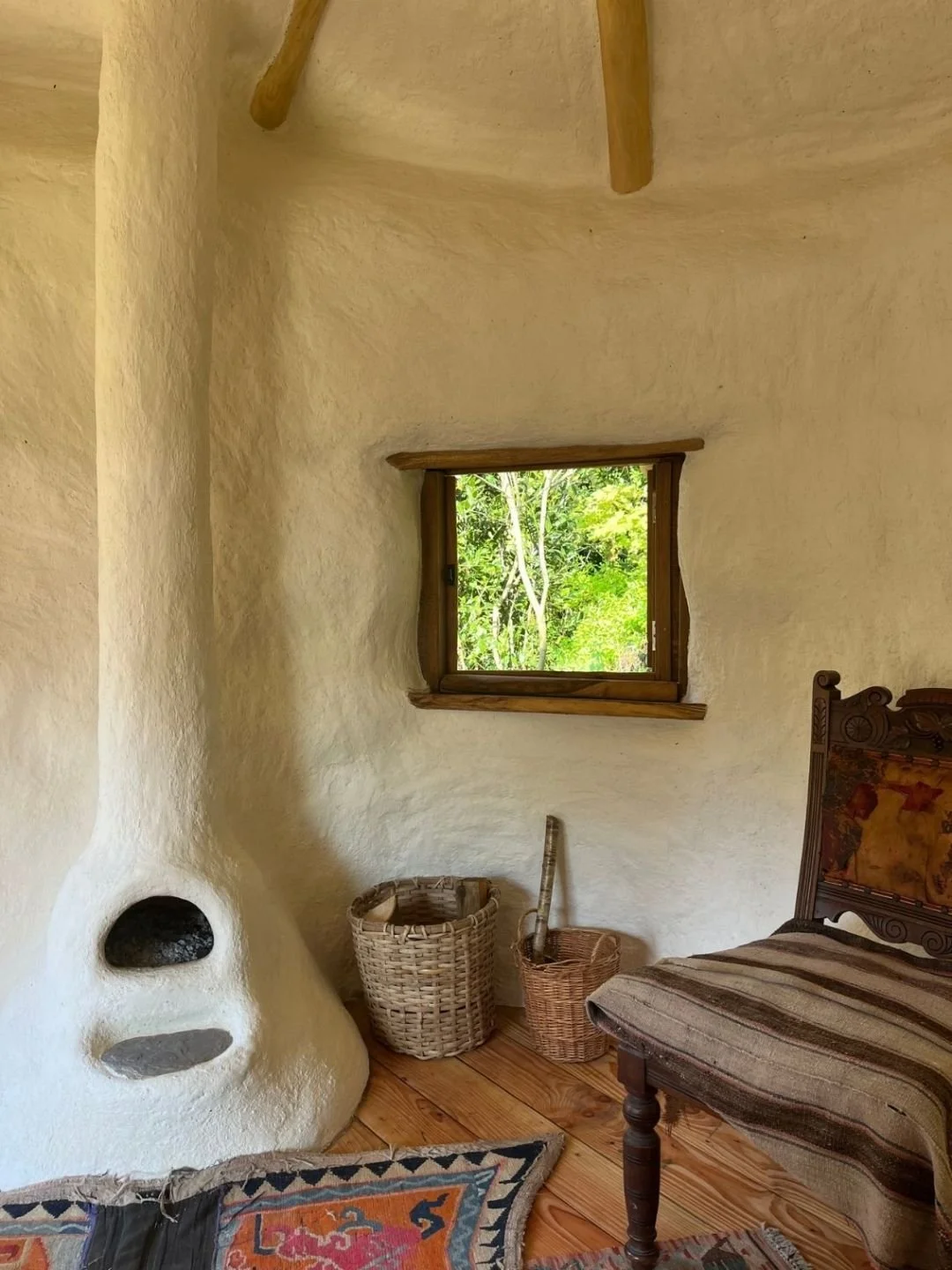
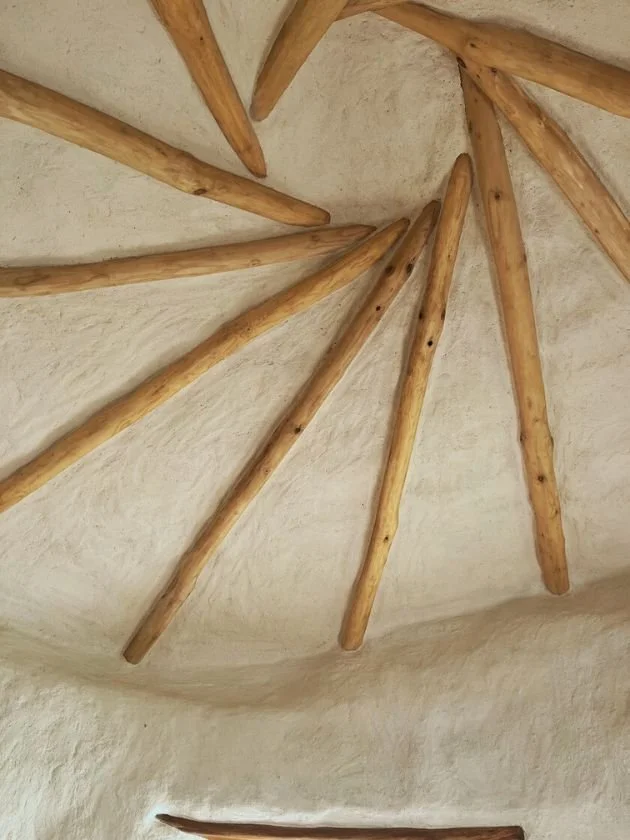
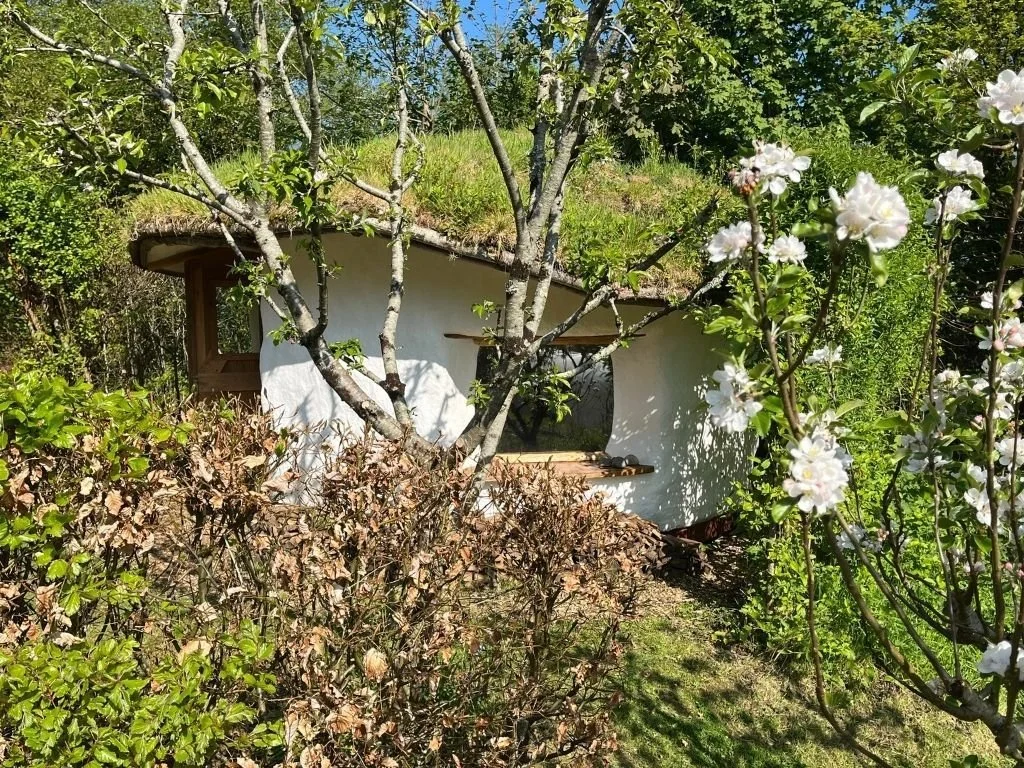
These buildings are made almost entirely from natural materials: straw, timber, clay, lime, earth and living plants. Wherever possible, these are sourced locally and assembled using simple tools and low-skill techniques. The result is a structure with a remarkably small ecological footprint that can one day return harmlessly to the earth.
Year-round comfort
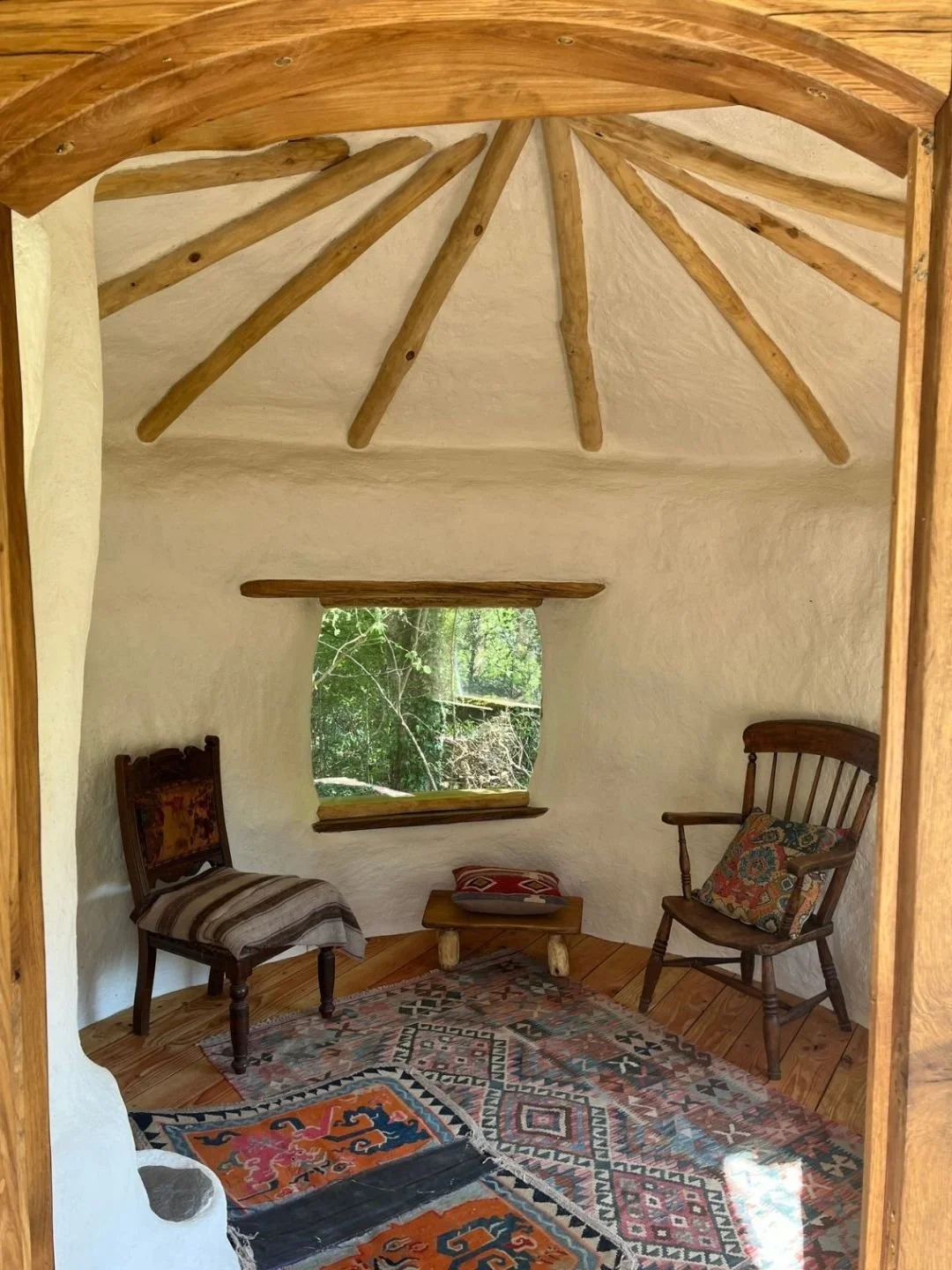
Although simple, these are robust, durable, highly insulated buildings designed for year-round use in the British climate. Thick straw-bale walls regulate temperature naturally, while breathable construction creates a healthy indoor environment that’s warm in winter, cool in summer, and deeply pleasant to be inside.
Circular by nature
The circular form isn’t simply an aesthetic choice. It creates an unusually calm and soothing atmosphere, uses materials efficiently, sheds wind well, and reflects patterns found throughout the living world as well as in many traditional cultures worldwide. People often comment that being inside feels different to any structure they’ve experienced before.
Built together
We humans have been making shelter together for a very long time, and building as part of a friendly group just feels deeply right. Community builds and workshops also allow practical skills, confidence, and relationships to grow alongside the structure itself. In this way, the building process itself becomes part of a wider process of cultural renewal.
An evolving design
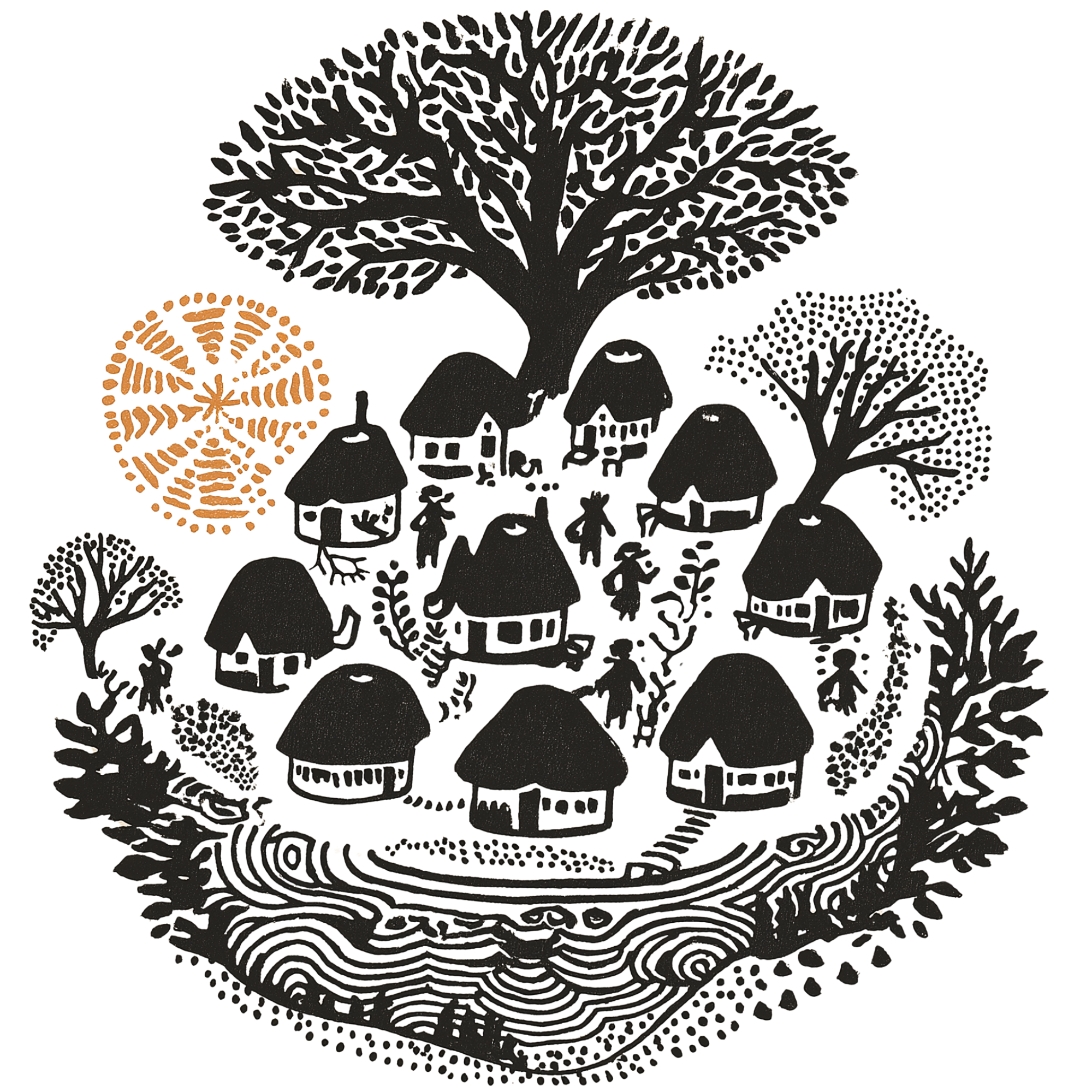
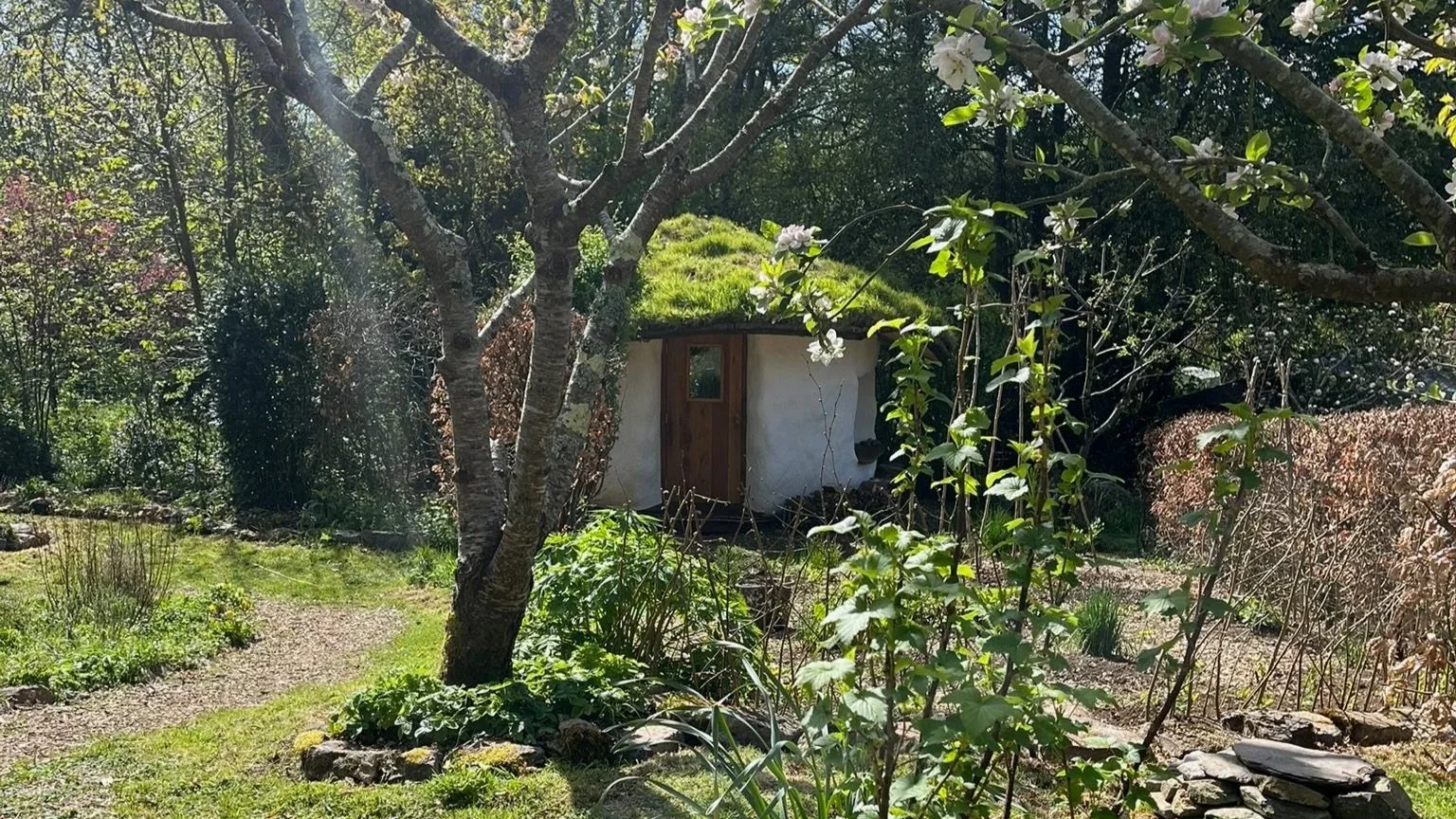
The little roundhouse shown above is only the beginning—a seed, if you like. The same underlying design can easily be adapted into family homes, agroecological workers’ hamlets, and, eventually, larger land-based settlements. I’m actively looking for opportunities to explore these possibilities with pioneering land stewards, place-makers, and values-led developers.
Natural building is often presented either as a recovery of lost traditions or as a way to create conventional modern homes with more sustainable materials and processes.
But what interests me isn’t recreating the past or the present. I’m neither in this for nostalgia nor the ‘sustainable’ repackaging of patterns of living that are themselves inherently unsustainable.
I’m far more interested in contributing to the emergence of a contemporary vernacular that responds to the ecological, social, and economic realities of an emerging future: a new language of home-building that grows naturally from locally available materials and real human needs, and which nurtures a renewed sense of being part of the great circles of life on Earth.